
The Breathtaking Architecture of the Mughals
A Journey to the Taj Mahal: Anthony Peers Opens Our New Season
A Journey to the Taj Mahal: Anthony Peers Opens Our New Season
The Breathtaking Architecture of the Mughals
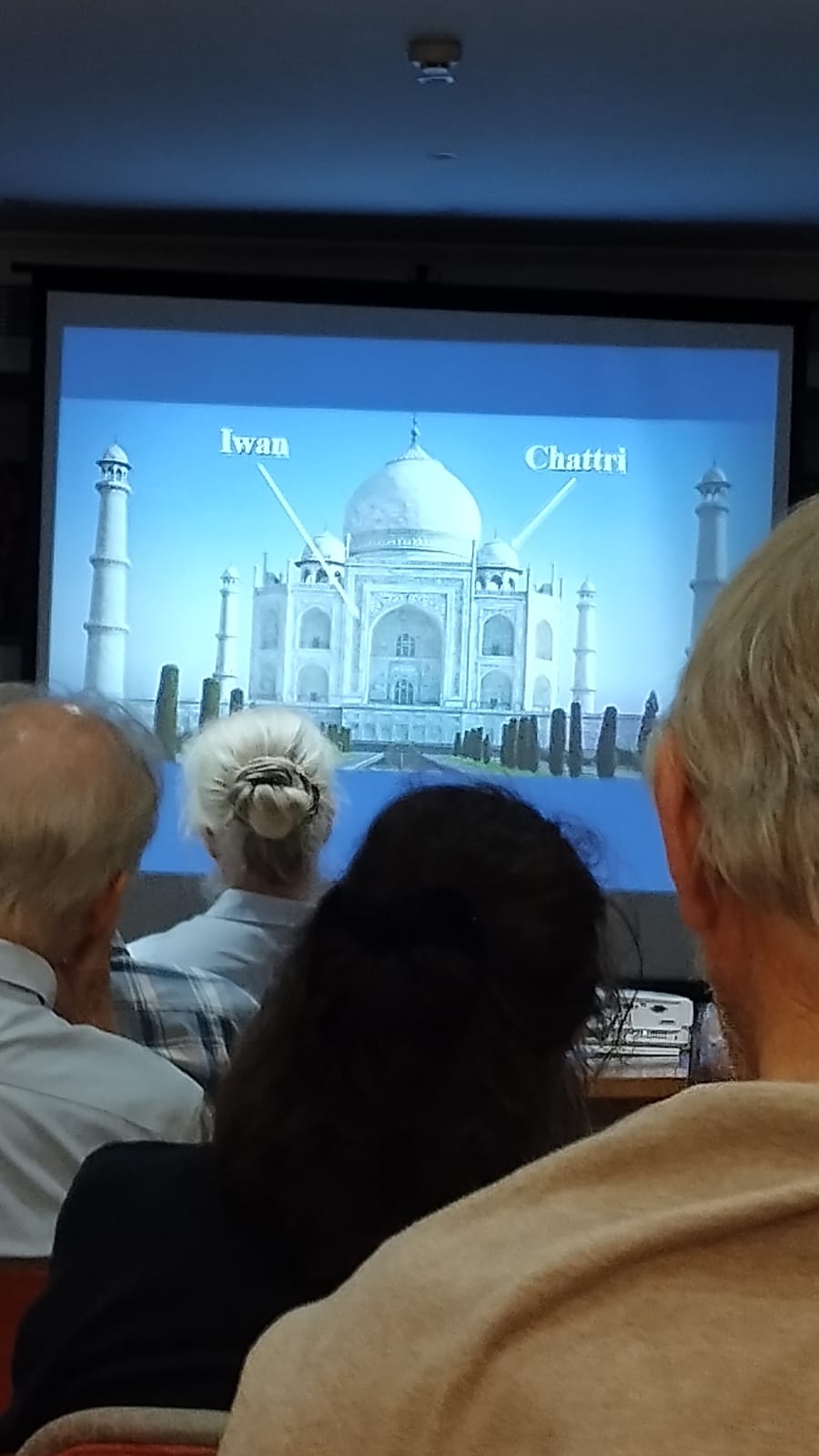
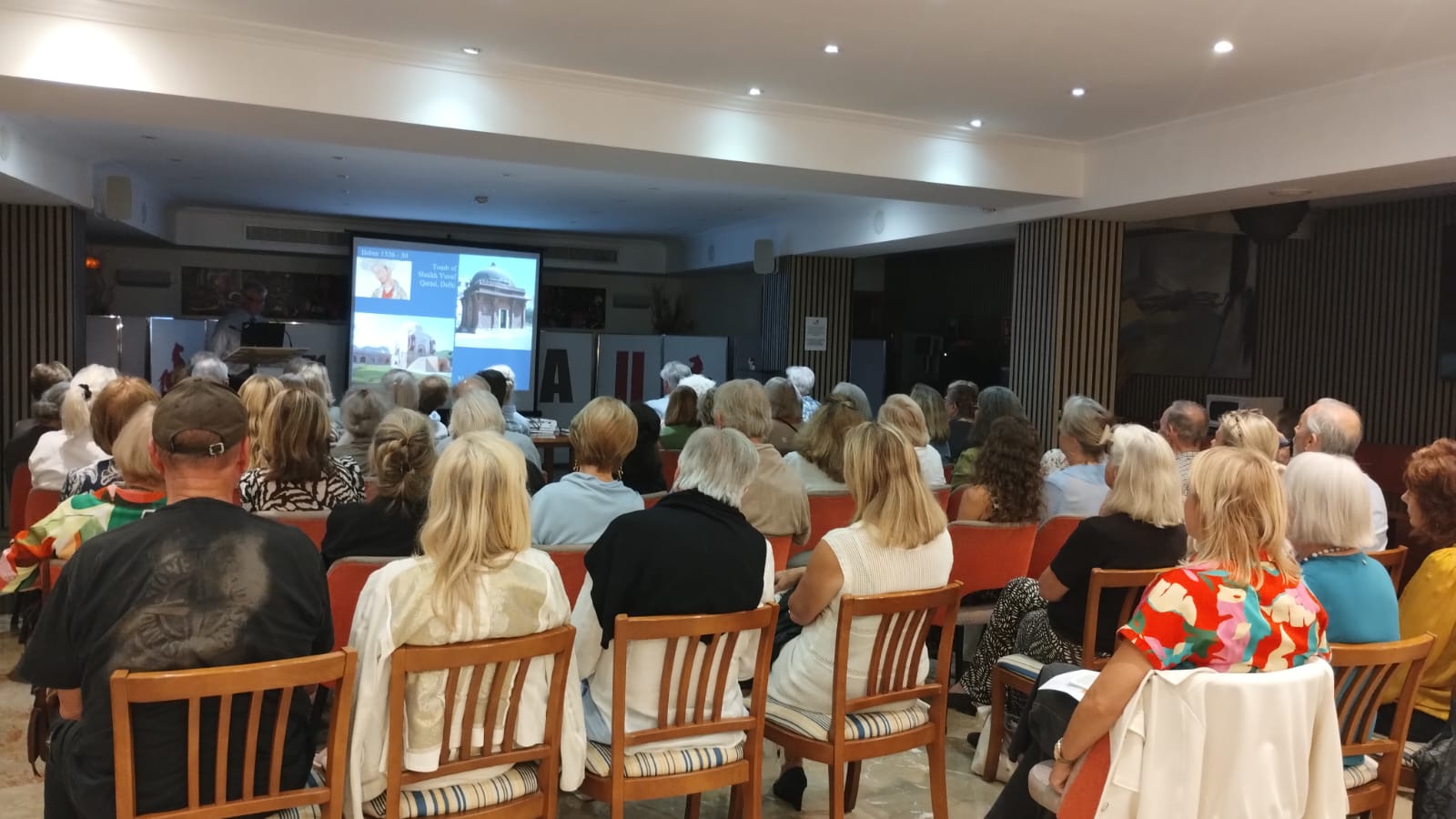
The Arts Society Mallorca welcomed the 2026/2027 season with a fascinating evening talk by architectural historian Anthony Peers, who transported a full house on a journey through the history and architectural splendours of Mughal India.
Drawing on a journey he had personally undertaken to India with his daughter, Anthony brought the story of the Mughal emperors vividly to life, tracing the evolution of their architecture from the early days of the empire to its magnificent culmination in the Taj Mahal.
Beginning with Babur, who founded the Mughal dynasty in 1526, Anthony introduced us to a succession of rulers whose ambitions, tastes and artistic patronage shaped the architectural landscape of northern India. Under Humayun, Persian influences became increasingly prominent. His magnificent tomb in Delhi would later serve as an important inspiration for the Taj Mahal.
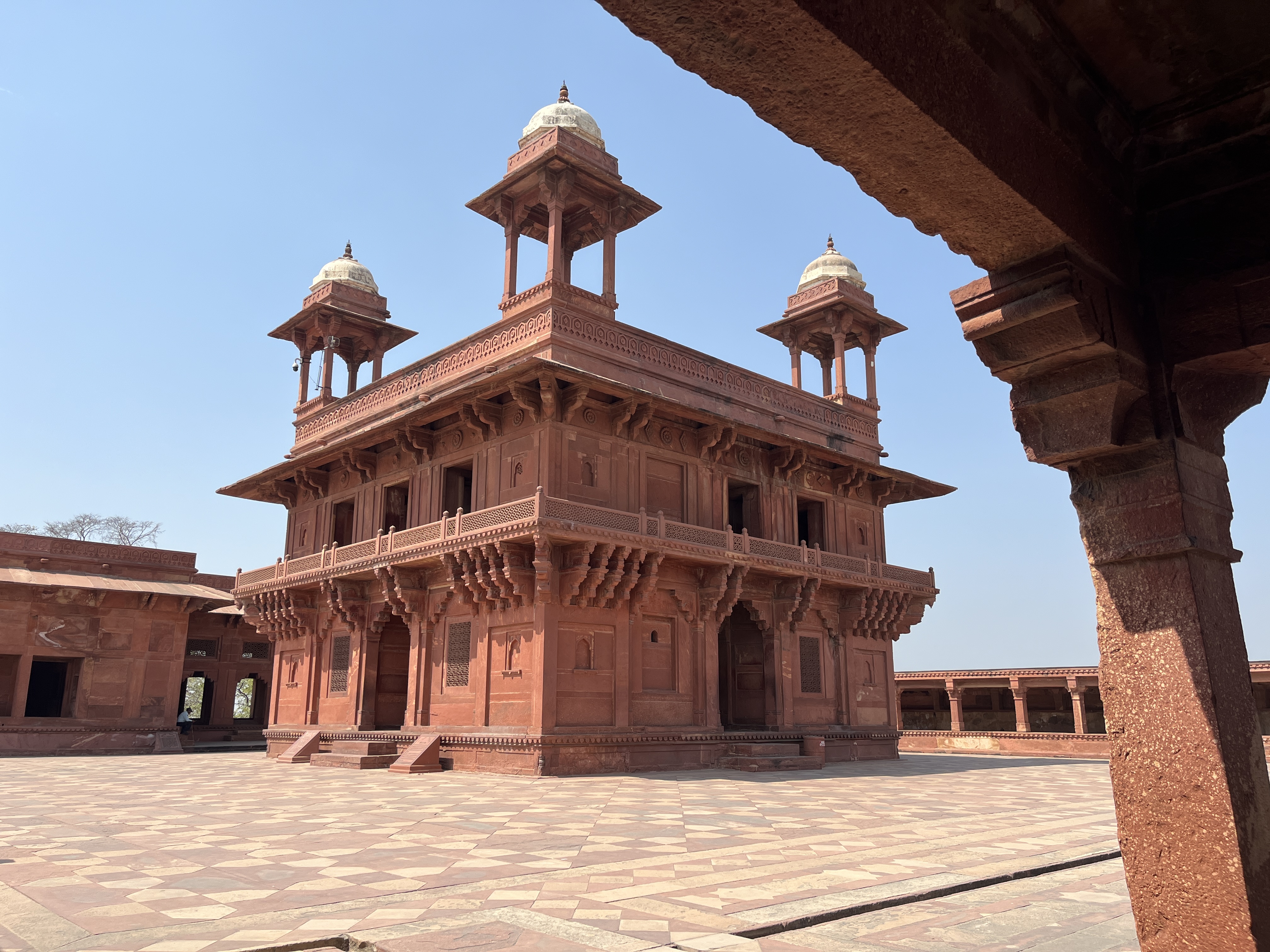
It was, however, under Akbar the Great (1556–1605) that Mughal architecture developed a distinctive character. His imposing Agra Fort and the remarkable planned city of Fatehpur Sikri demonstrate how Persian and Islamic traditions were combined with indigenous Indian craftsmanship and architectural forms. The result was a fascinating fusion of styles, reflecting the cultural diversity of the empire.
His successors continued to refine this artistic legacy. Jahangir, with his love of gardens, nature and intricate decoration, encouraged the arts, while the reign of Shah Jahan (1628–1658) brought Mughal architecture to its most celebrated expression.
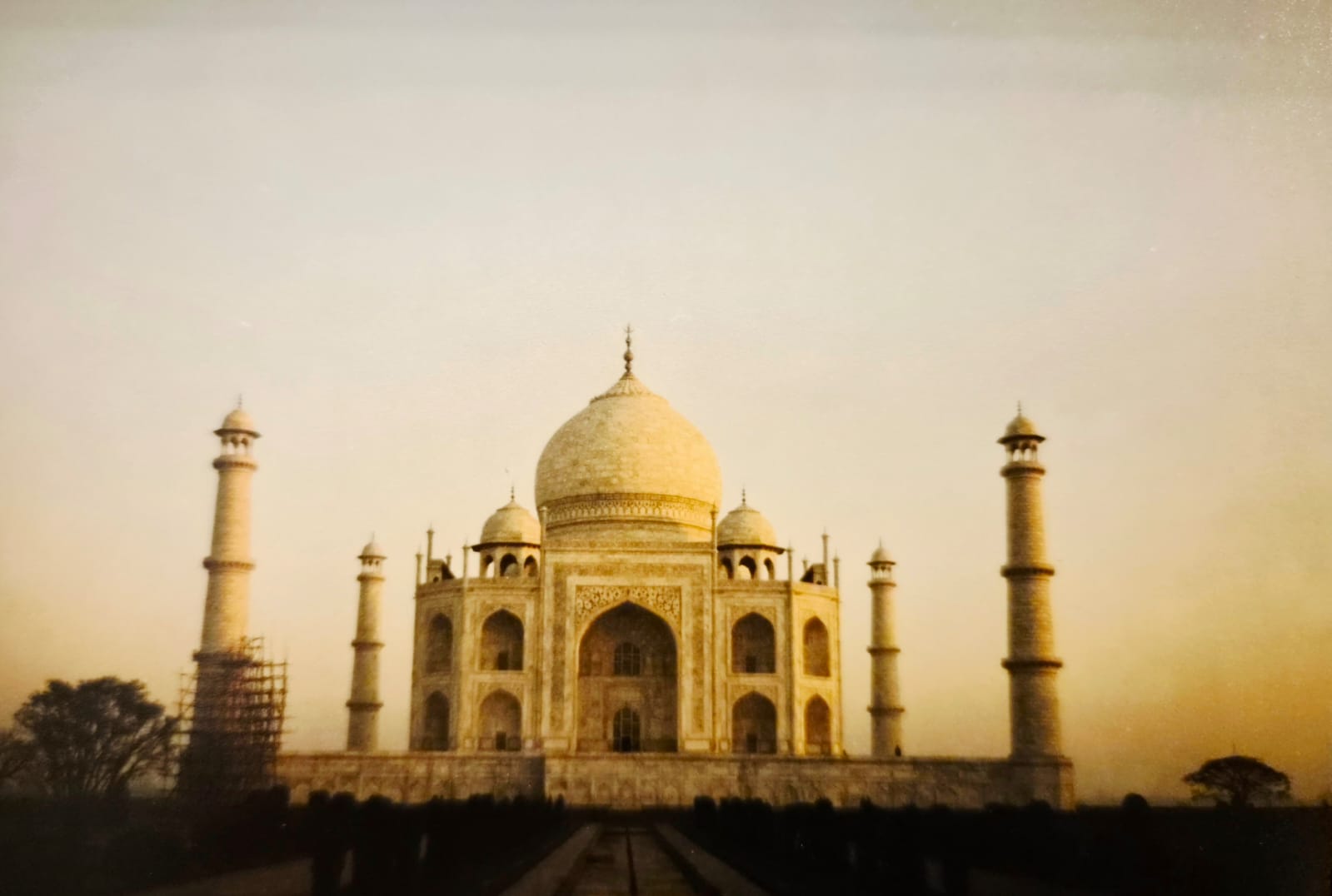
And so, we arrived at the Taj Mahal, commissioned by Shah Jahan in memory of his beloved wife, Mumtaz Mahal, who died in 1631. Conceived as far more than a tomb, this extraordinary complex brings together perfect symmetry, luminous white marble, delicate floral inlays, exquisite calligraphy and beautifully ordered gardens. Its architecture draws on Persian, Islamic and Indian traditions, yet transcends them to create something entirely its own.
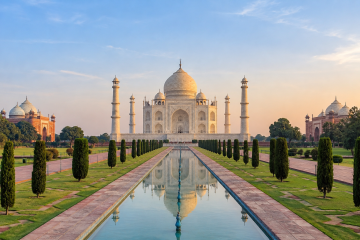
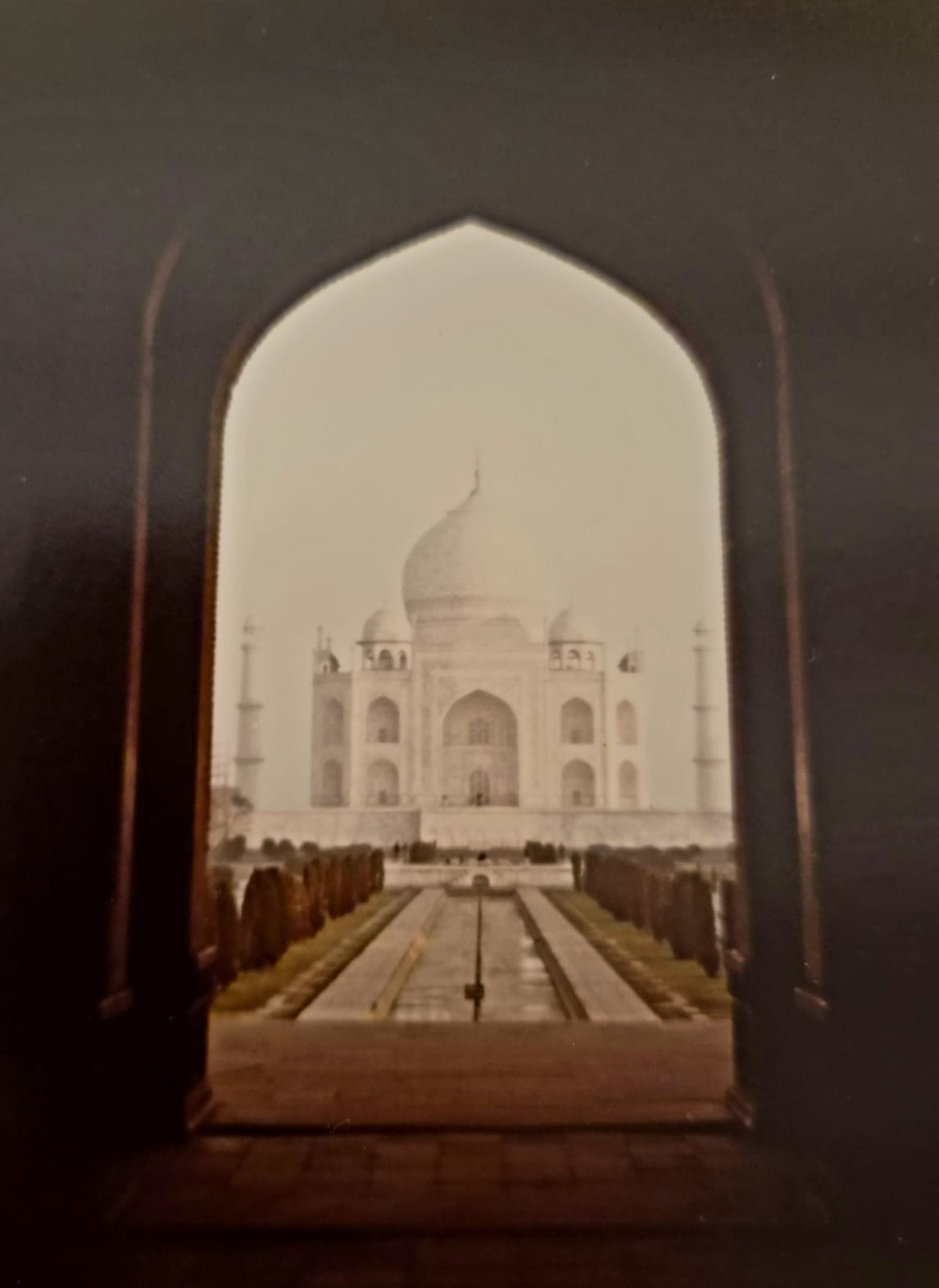
One image from Anthony’s presentation was particularly unforgettable: the Taj Mahal in the early morning light, framed by the great archway at the entrance to the complex. The monument seemed almost ethereal, inviting the viewer to step into another world. It was a moment that captured the extraordinary power of architecture to move us across centuries and continents — and perhaps planted a few dreams of travelling to India to experience this wonder in person.
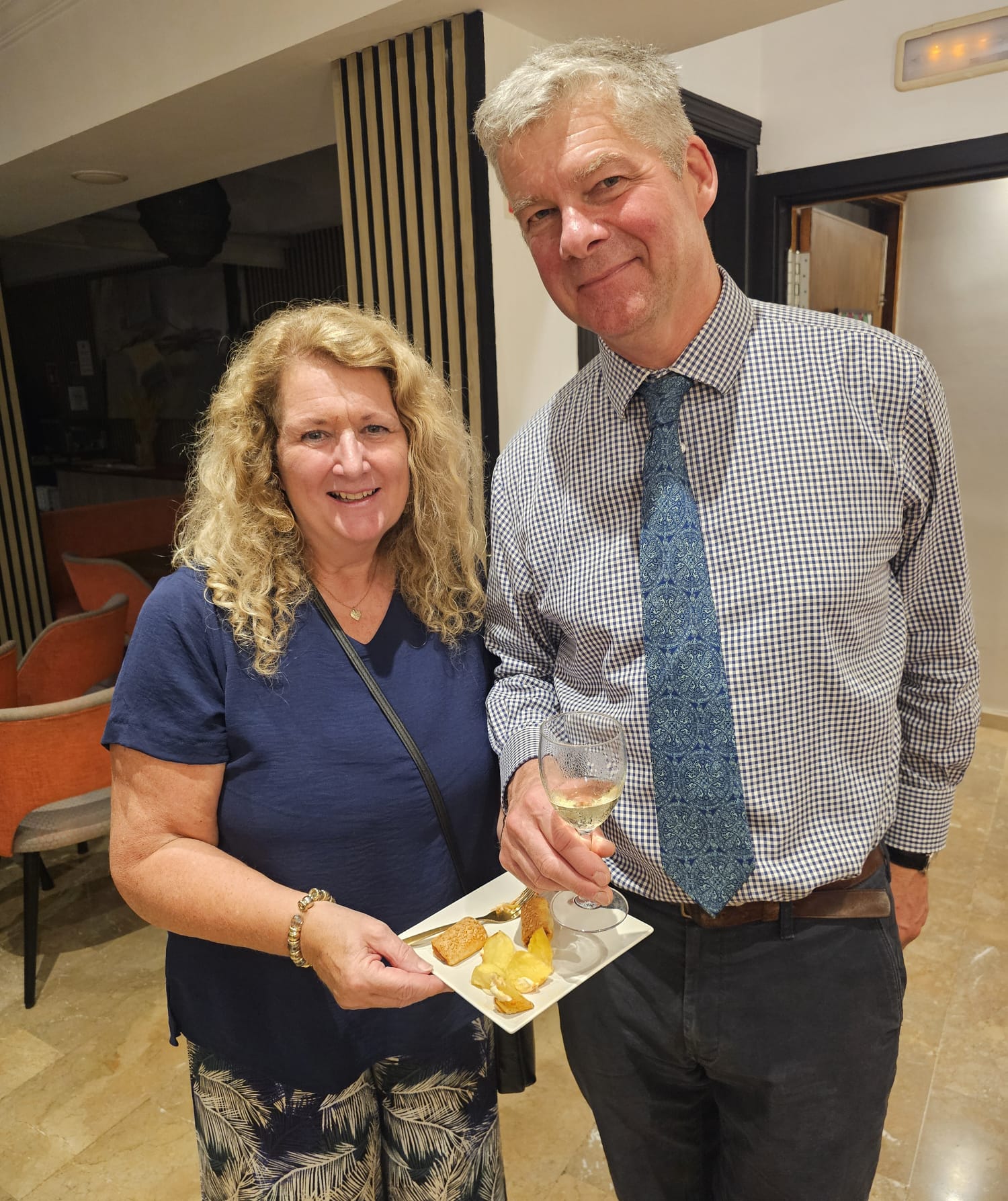
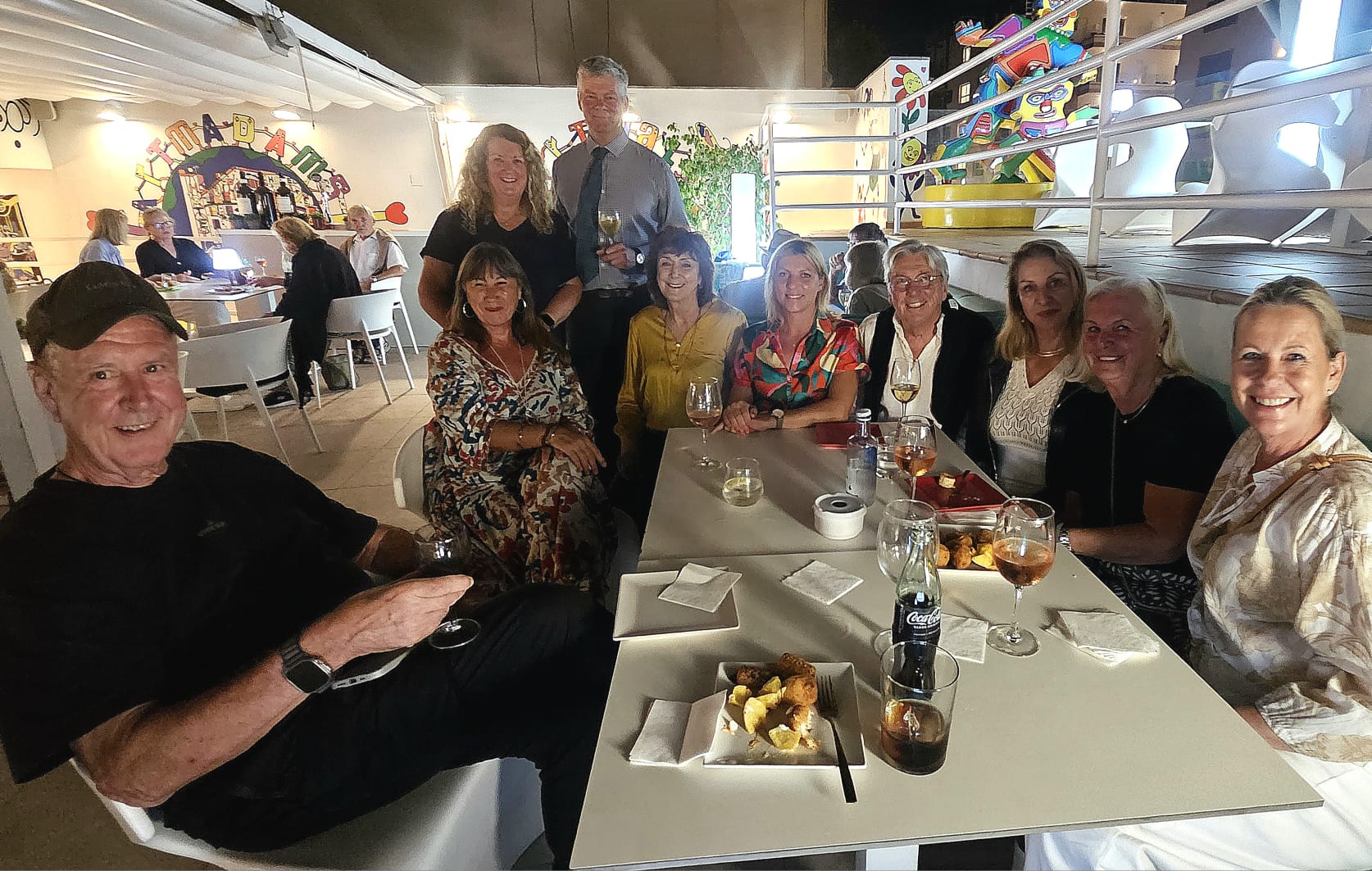
Following the talk, members and guests continued their conversations over tapas and drinks, enjoying the warm and convivial atmosphere that has become such a valued part of our evenings together.
A wonderful beginning to our new season, and an inspiring reminder of how art and architecture can open windows onto other cultures, histories and worlds.
About the Speaker
Anthony Peers is an architectural historian and historic buildings consultant specialising in the research, conservation and restoration of historic architecture. Educated at the University of Manchester and the University of York, he has worked on significant heritage projects in Britain and India. In Mumbai, he established an award-winning conservation programme to restore historic university buildings while training local architects and craftspeople in traditional conservation techniques.
His extensive experience includes major projects at Birmingham Town Hall, Aston Hall and Winchester Cathedral. He is the author of Birmingham Town Hall: An Architectural History and a Fellow of the Society of Antiquaries of London. Anthony has served as the Deputy Chairman of the Ancient Monuments Society for many years and has long been involved with the running of the Ironbridge Gorge Museums Trust.
For more information about the speaker visit https://anthonypeers.com/
Photo Credits
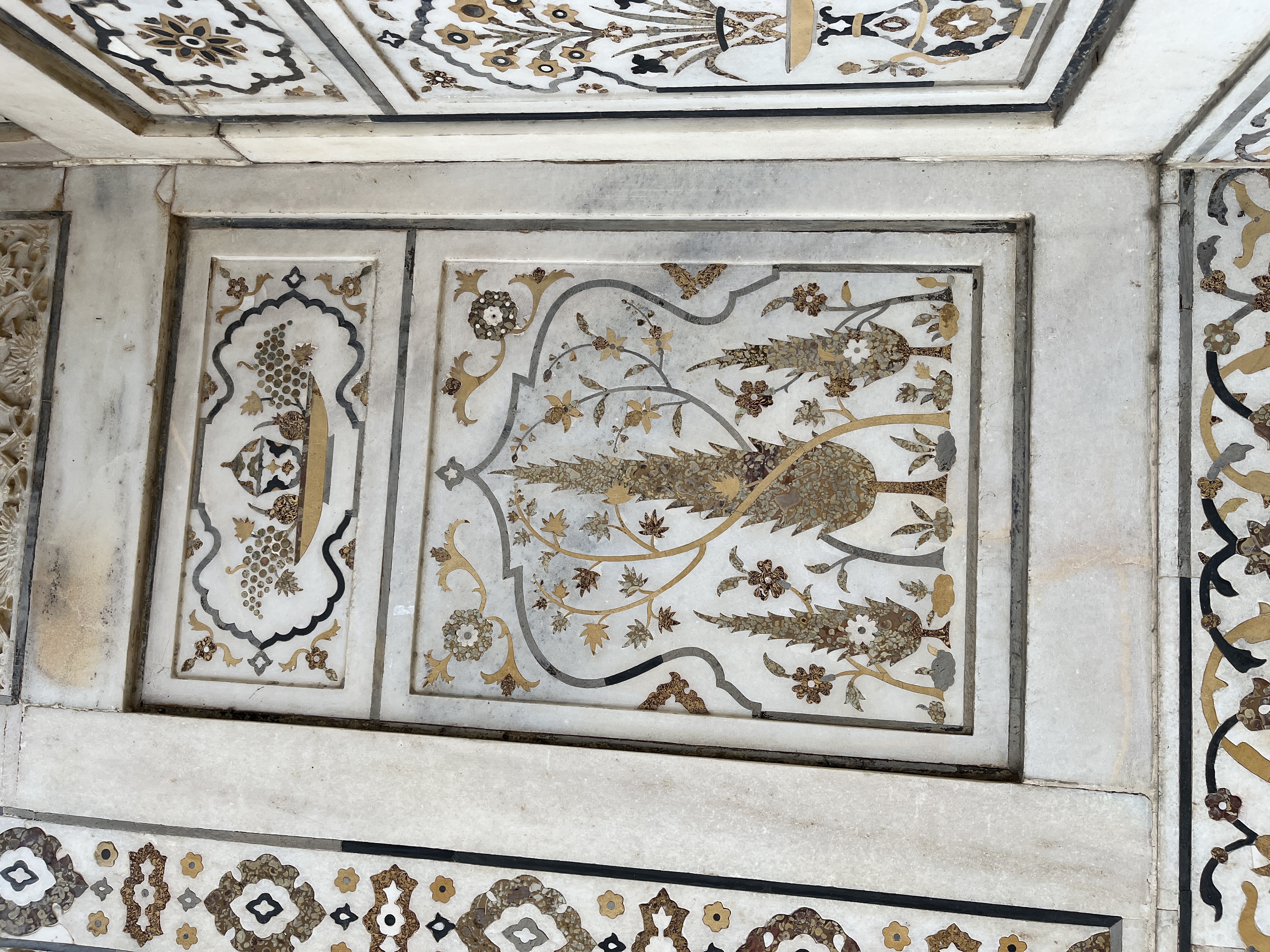
The first two photographs, taken by Anthony Peers, show the Diwan-i-Khas at Fatehpur Sikri and the intricate pietra dura marble inlay at the Tomb of Itimad-ud-Daulah in Agra.
Two photographs of the Taj Mahal were kindly shared by our member Cheryl Sylvester, taken during her visit to India some 40 years ago. Thank you, Cheryl, for adding this personal touch to our gallery.
All other photographs are by Gail Davies.
A big thank you to all.
The banner image was AI-generated.
 ,
 ,
 ,
 ,
 ,
 ,
About the Author
MORE FEATURES
Members enjoyed a cultural outing to Alaró, discovering the village’s history, art and local life.