
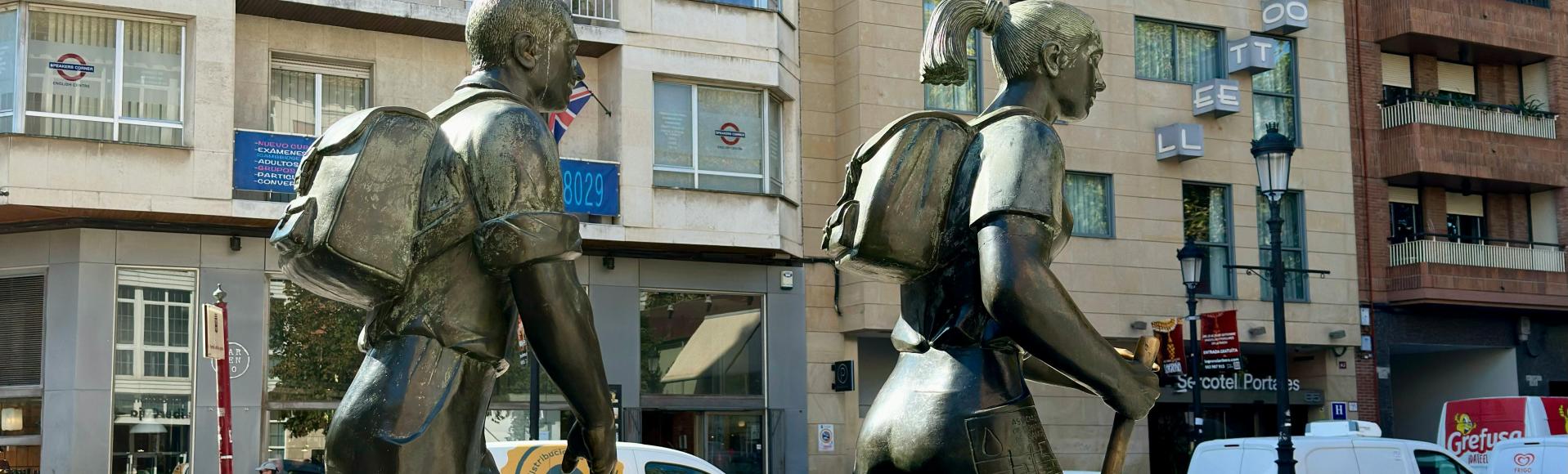
The Camino, its architecture and sculpture

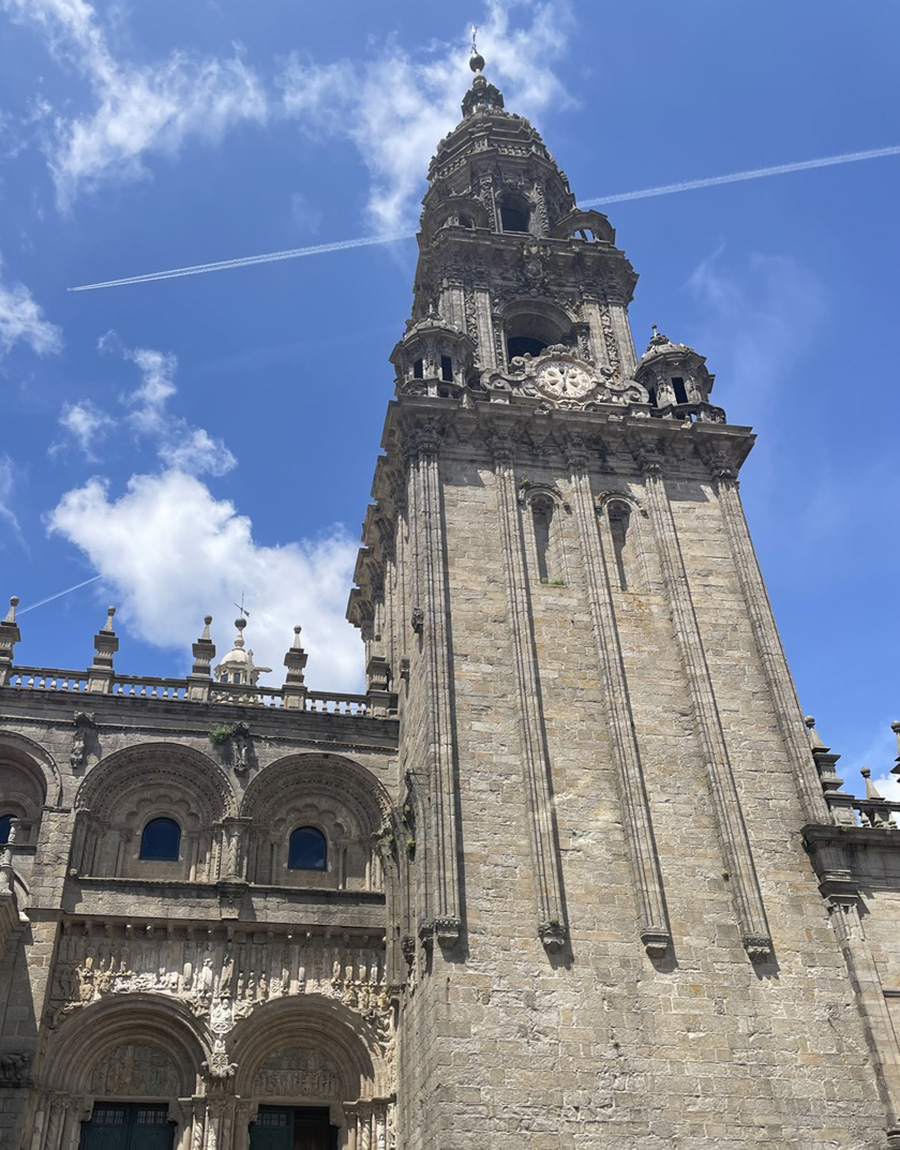
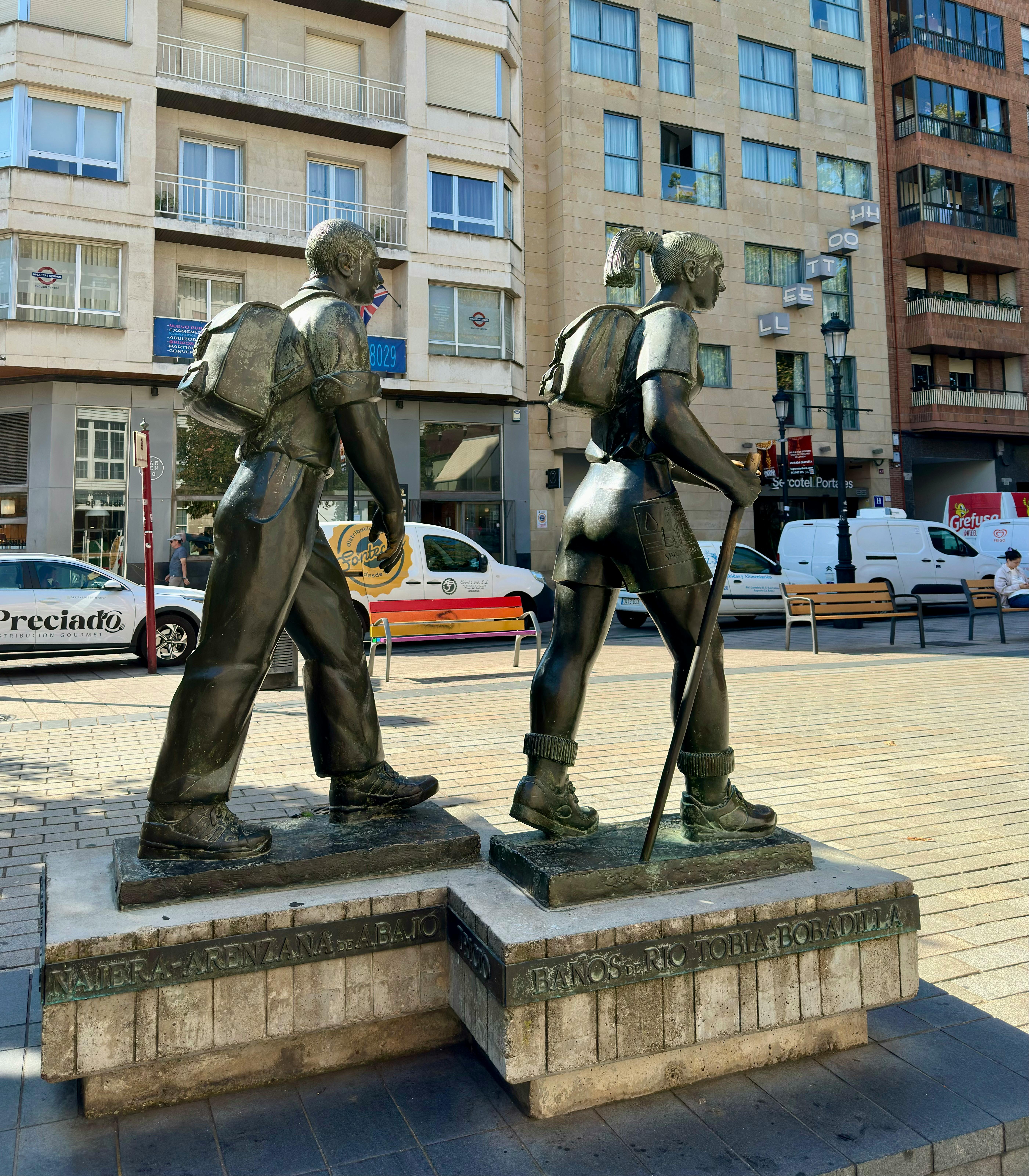
In the 11th and 12th centuries, when the so-called ‘Cult of Saints’ was at its peak, the idea of a physical journey towards a spiritual goal was extremely popular, and the cathedral of Santiago de Compostela, in north-western Spain, was one of the three most important Christian pilgrimage sites of the medieval period, after Jerusalem and Rome.
However the pilgrimage was also an early form of mass tourism. The ‘camino’, or pilgrimage road across northern Spain thus became one of the most widely-used of medieval times, dotted with Romanesque and Gothic churches and monasteries, designed to incorporate the veneration of saints into sumptuous architecture, replete with religious sculptures and elaborate reliquaries, and thus to attract the many pilgrims and their money. This lecture explores the evolution of the architecture and sculpture along the route, and the related pilgrimage 'business', with its focus on the relics and miracles that the pilgrims sought.
THE ARTS SOCIETY ACCREDITED LECTURER
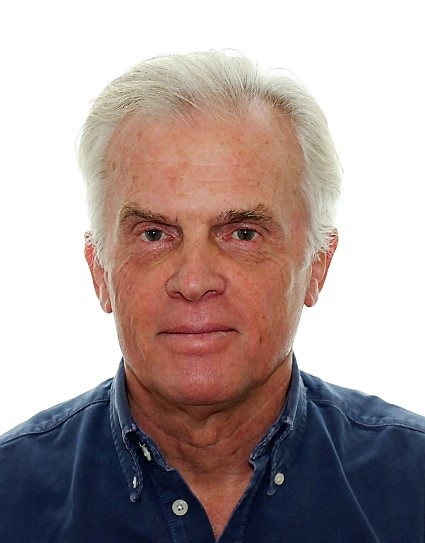
Mr Ian Cockburn
Art historian with a BA (Birkbeck College) in art history and an MA (Courtauld Institute of Art) in medieval Spanish art history. Specialist in the nearly 800 years of Moorish occupation and Christian reconquest of medieval Iberia.
Founder and director of an art tours company, specialising in guided cultural tours in Spain, plus lecturing in London at institutions such as the V&A, SOAS, Christies Education, and the London Art History Society. Formerly a Chartered Accountant and senior manager in multi-national IT companies, with extensive public-speaking experience.
GALLERY 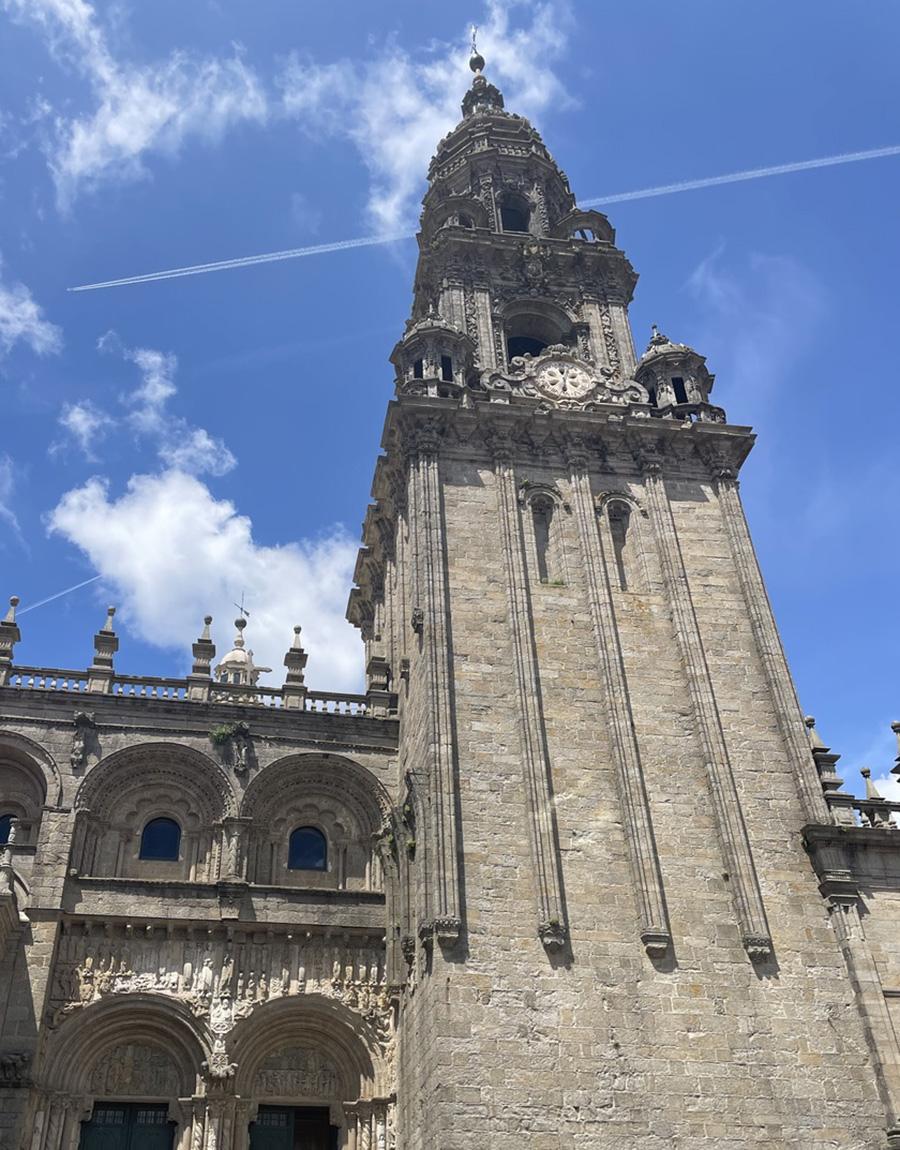
OTHER EVENTS
Society
11 Nov 2026 - 12:00
Royal Exchange Theatre
St Ann's Square
St Ann's Square
Online Event
A theatre trip to Manchester for a matinee performance of King Lear
Society
Mr Ian Giles
17 Nov 2026 - 11:00
Cheshire View
Plough Lane
Plough Lane
Online Event
Hepworth: a remarkable female sculptor