
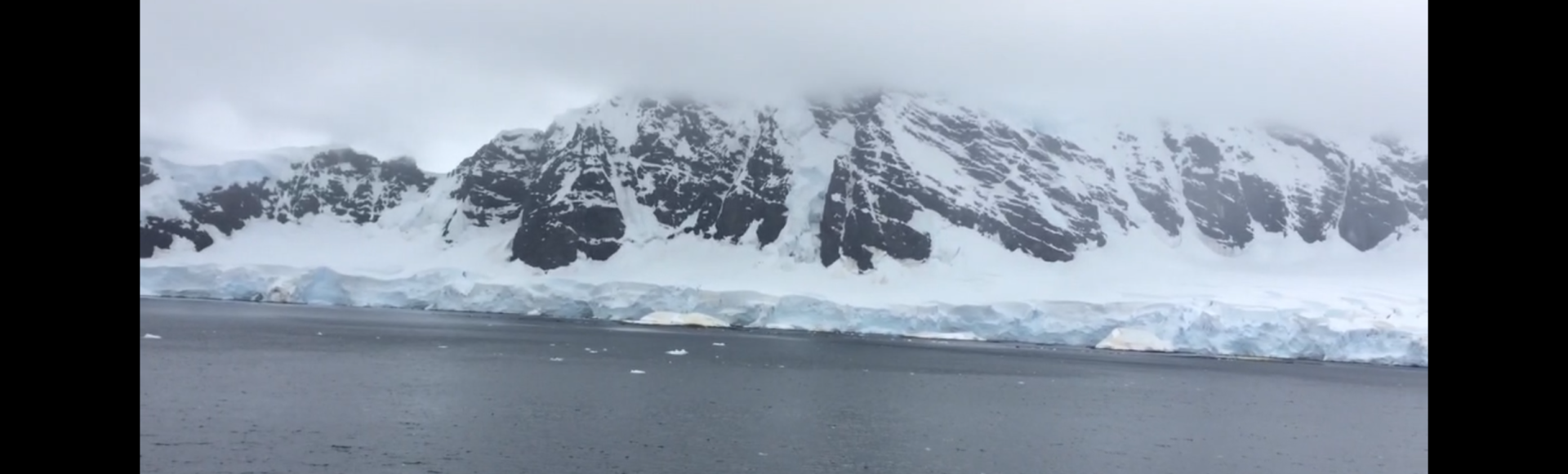
Antartica - how art shaped the continent in the public imagination and the problems of making art at minus forty.

This lecture explores how Antarctica was carried home – not in crates of specimens, but in images. In the first quarter of the twentieth century, during the Heroic Age of polar exploration, watercolourists, oil painters, photographers and early film-makers translated the white vastness of the Ice for the wives and mothers waiting in Britain. I begin by asking the audience to imagine themselves as ‘first footers’: the first human beings to step onto that frozen continent. The wind cutting like glass. The silence. The blinding, horizonless white. What did Antarctica mean to them, standing there at the edge of the known world? And what does it mean to us now? Through the expeditions of Captain Robert Falcon Scott and Sir Ernest Shackleton – and through the work of their official and unofficial artists – we will explore how art shaped the continent in the public imagination. Beyond the celebrated painters and photographers, I will uncover the overlooked amateurs: physicists, mammalogists, cartographers and meteorologists who sketched, painted and photographed alongside their scientific work, quietly framing Antarctica in ways history has often ignored.
‘Ice and Imagination’ asks how we see Antarctica – with and without the lens of its heroic mythology. The talk sets scientific record-making against narrative painting, scientific photography against staged imagery, still images against the flicker of early film. It looks at the practical realities of making art at minus forty: watercolours that froze solid and had to be painted later from memory; oil paints that were pressed into service waterproofing the seams of the James Caird before Shackleton’s 1916 voyage. Exploration art, I argue, was rarely neutral. It raised funds before departure, illustrated books to clear expedition debts, and burnished reputations. The notion of the expedition artist as detached observer is itself a polar myth. And I will end by shifting our vantage point. Not the men on the Ice, but the women at home – the wives, the mothers, the fiancées – people with skin in the game. They were not looking for picturesque sunsets or sublime compositions. They wanted the truth: the tilt of a tent in the wind, the look of frostbite on a cheek, the size of a sledge against the emptiness. Detail was intimacy. Accuracy was proximity. The more precisely Antarctica was rendered, the nearer they could feel to the men they loved. What did those images mean to them? And what does Antarctica mean to us now?
Katherine MacInnes
Katherine MacInnes (MSt Oxford University, MA Hons St Andrews) is a public speaker and the non-fiction author of Snow Widows – Scott’s Fatal Antarctic Expedition Through the Eyes of the Women They Left Behind (HarperCollins 2022) and Woman with the Iceberg Eyes: Oriana F. Wilson (History Press 2019). Writing as Kate Nicholson, she published Behind Everest: Ruth Mallory’s Story (Pen & Sword, 2024), which was shortlisted for the Boardman Tasker Mountain Literature Award.
Katherine first started researching polar history when her husband climbed Everest in 2006 and her children were 10 months, 3 and 5. She looked to history and found inspiration from the invisible women – mothers, wives, widows – throughout exploration’s history.
Katherine has been shortlisted for the Biographer’s Prize and is a sought after public speaker on polar history around the globe, from Norway to the Royal Geographical Society. She is currently penning THE SHORTEST HISTORY OF ANTARCTICA for Old Street Publishing’s Shortest History series with publication planned for 2026.
GALLERY 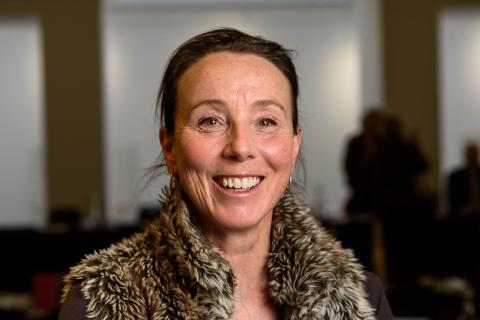
OTHER EVENTS
Society
Colin Shindler
21 Oct 2026 - 10:45
The Ballroom, Stamford Arts Centre
27 St. Mary's Street
27 St. Mary's Street
Online Event
Remember A Taste of Honey, Alfie, Zulu, Women in Love or the James Bond movies?
Society
4 Nov 2026 - 10:30
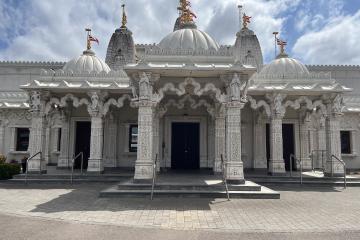
BAPS Shri Swaminarayan Mandir
135 Gypsy Lane
135 Gypsy Lane
Online Event
Visit to the stunning white limestone Mandir