
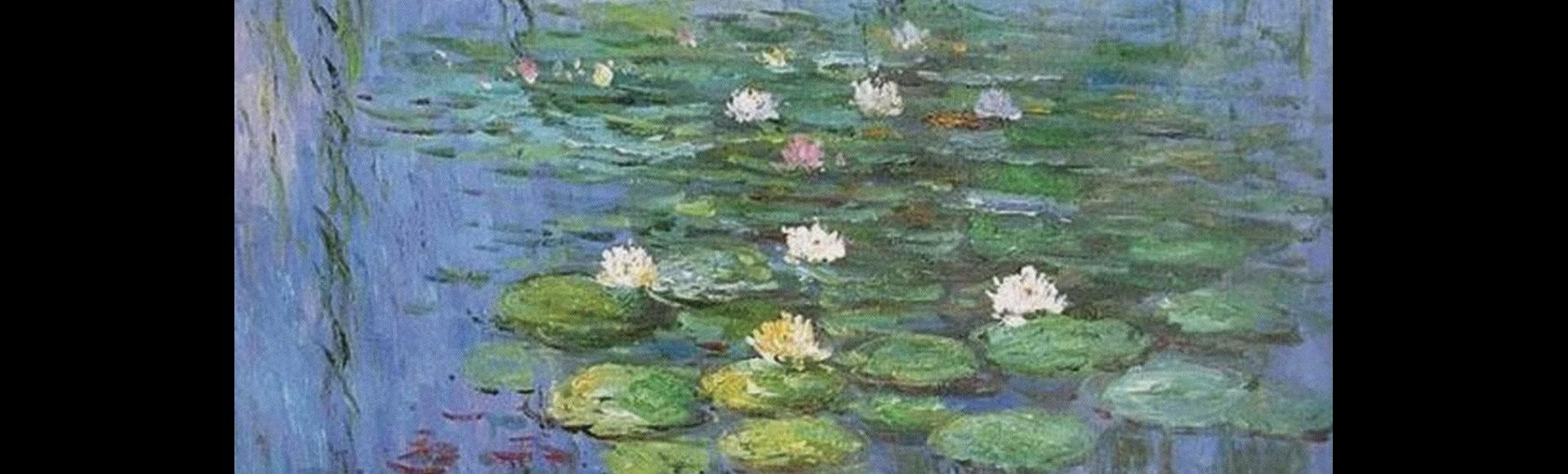
Claude Monet and the painting of the waterlilies

Monet began his iconic large-scale images of his water pond in Giverny at a time of personal turmoil and sadness in 1914. Then in his mid-seventies, he was one of the world's most famous and successful painters. However, he had virtually given up painting following the deaths of both his wife and his eldest son,and a diagnosis of cataracts. Nonetheless, it was during this period of sorrow, ill-health and creative uncertainty that - as the guns roared on the Western Front - he began the most demanding and innovative paintings he had ever attempted. This lecture examines the personal and aesthetic motivations behind Monet's immense canvases and their legacy in twentieth-century art.
Mr Ross King
Mr Ross King is the author of eight books on Italian, French and Canadian art and history. His books have been translated into more tha a dozen languages. Born and raised in Canada, he has lived in England since 1992. He had lectured widely in both North America and Europe, and given lectures and guided tours in Florence, Rome, Milan, Paris and Giverny.
GALLERY 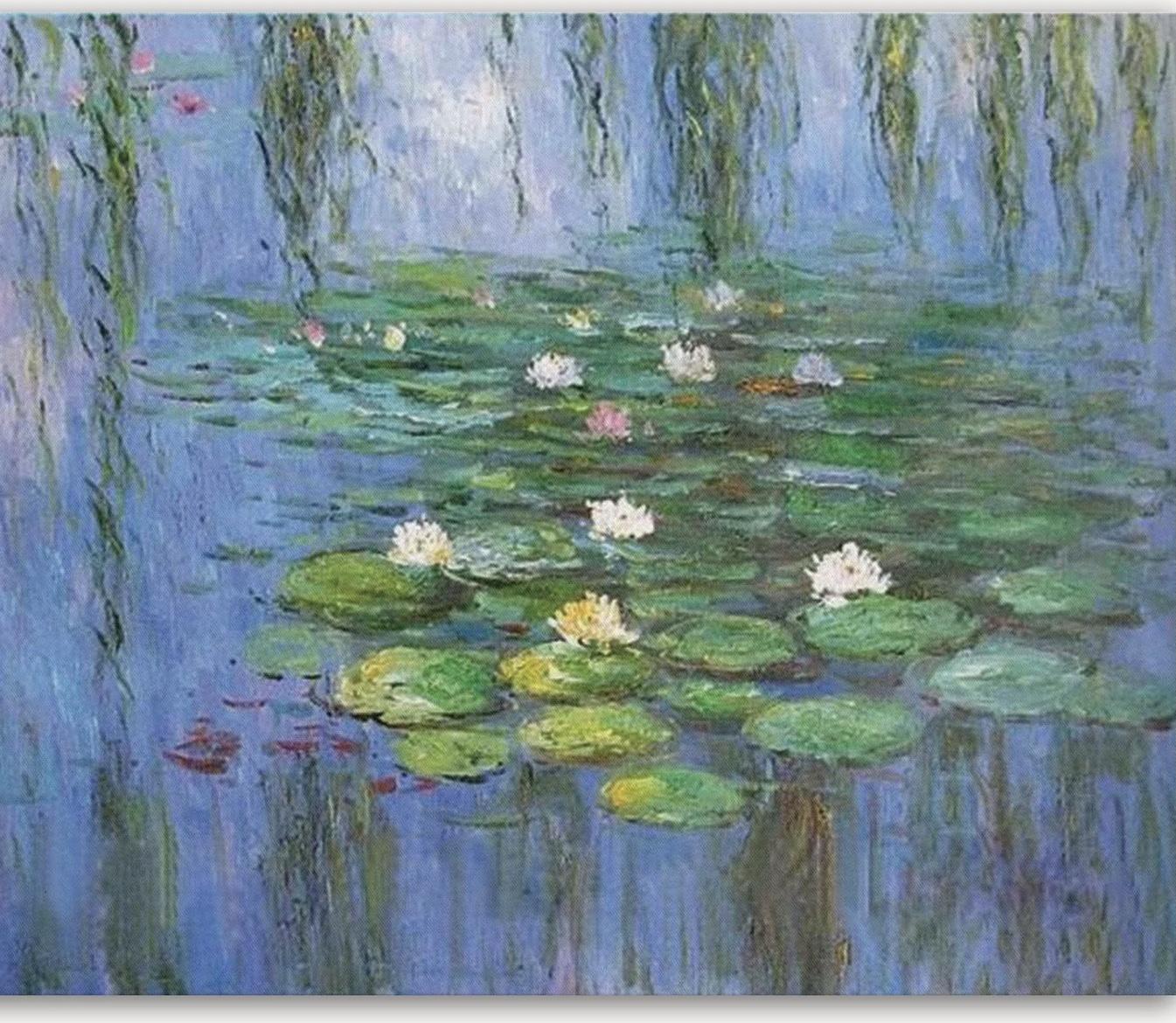
OTHER EVENTS

Society
27 Oct 2026 - 11:30
The Courthouse Hotel
Great Marlborough Street
Great Marlborough Street
Study Day to complement The Bayeux Tapestry Exhibition - lecturer Rupert Willoughby

Society
Ms Chloe Sayer
28 Oct 2026 - 10:30
Whitemans Green Sports Club
This lecture will complement the Tate Modern exhibition Frida: The Making of an Icon