
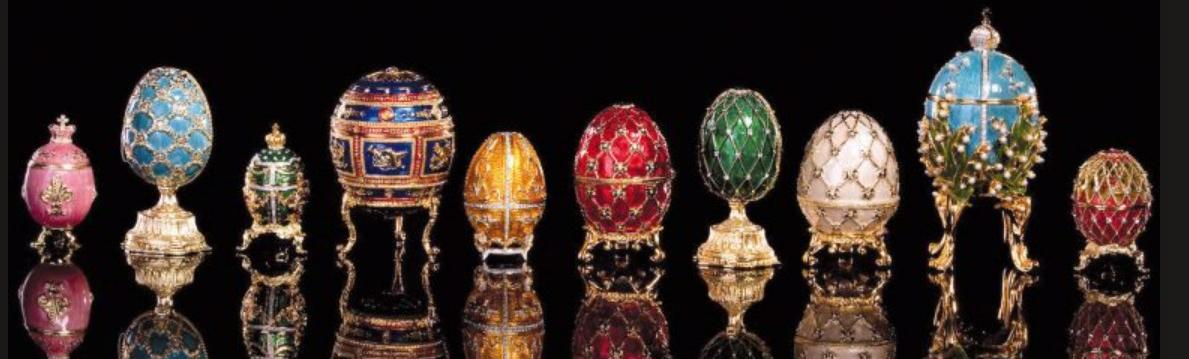
A celebration of the exquisite design and unfailing ingenuity of the Easter eggs made by Fabergé for the Russian Imperial family.

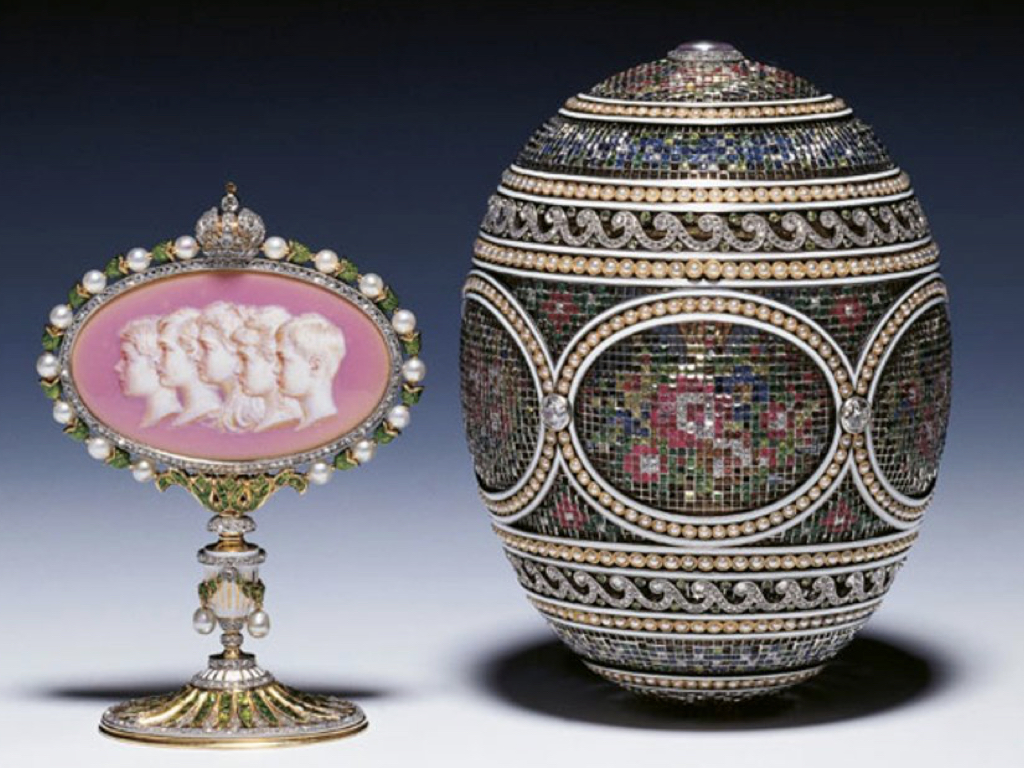
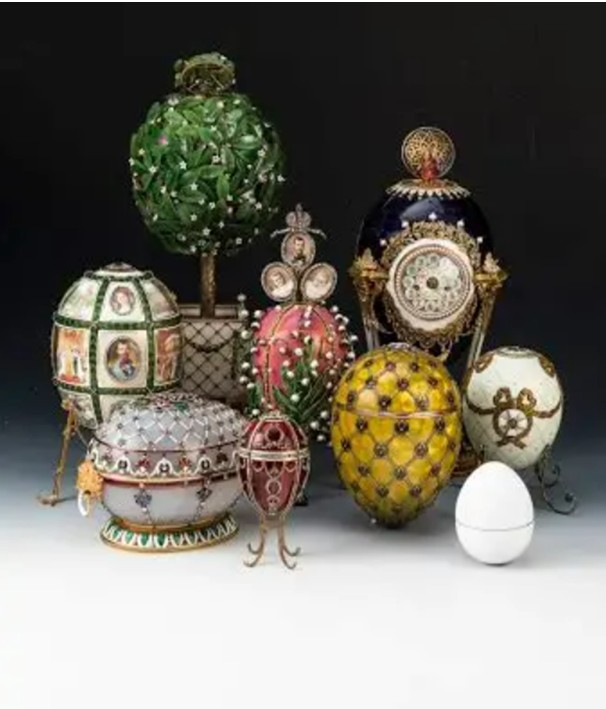
The Easter eggs made by Faberge for the Russian Imperial family rank amongst the most extravagant and wonderful examples of the goldsmith’s art with their exquisite design & ingenuity.
This lecture is a celebration of these great works and the techniques by which they were created. It also explores the wider context of how Easter was celebrated in orthodox Russia in the decades leading up to the Russian Revolution.
How to book this event:
No booking required for members.
Money raised by the sale of raffle tickets at our lectures, is used to raise money for Young/Community Arts so please bring along some cash to buy your raffle tickets. They are on sale in the lobby.
Guests welcome, £10 on the door refundable against membership should you join. Please let us know in advance by emailing bowdonmain@outlook.com so we can manage numbers.
THE ARTS SOCIETY ACCREDITED LECTURER

Mrs Clare Phillips
Clare Phillips (M.A. Royal College of Art, London) has been a curator at the Victoria and Albert Museum since 1989. As a jewellery historian she is part of the small team dedicated to the V&A’s jewellery collection and is the author of the V&A’s classic book ‘Jewels & Jewellery’. In addition to her work with the permanent collection, she has been responsible for the more focussed jewellery content within many major V&A exhibitions from ‘Art Nouveau: 1890-1914’ in 2000 to ‘Frida Kahlo: Making Her Self Up’ in 2018. Her books range from Thames & Hudson’s accessible introductory text ‘Jewelry - from Antiquity to the Present’ to ‘Chaumet Tiaras: Divine Jewels’ which she co-authored in 2019. In 2006 she curated the exhibition ‘Bejewelled by Tiffany’ at the Gilbert Collection, Somerset House.
GALLERY 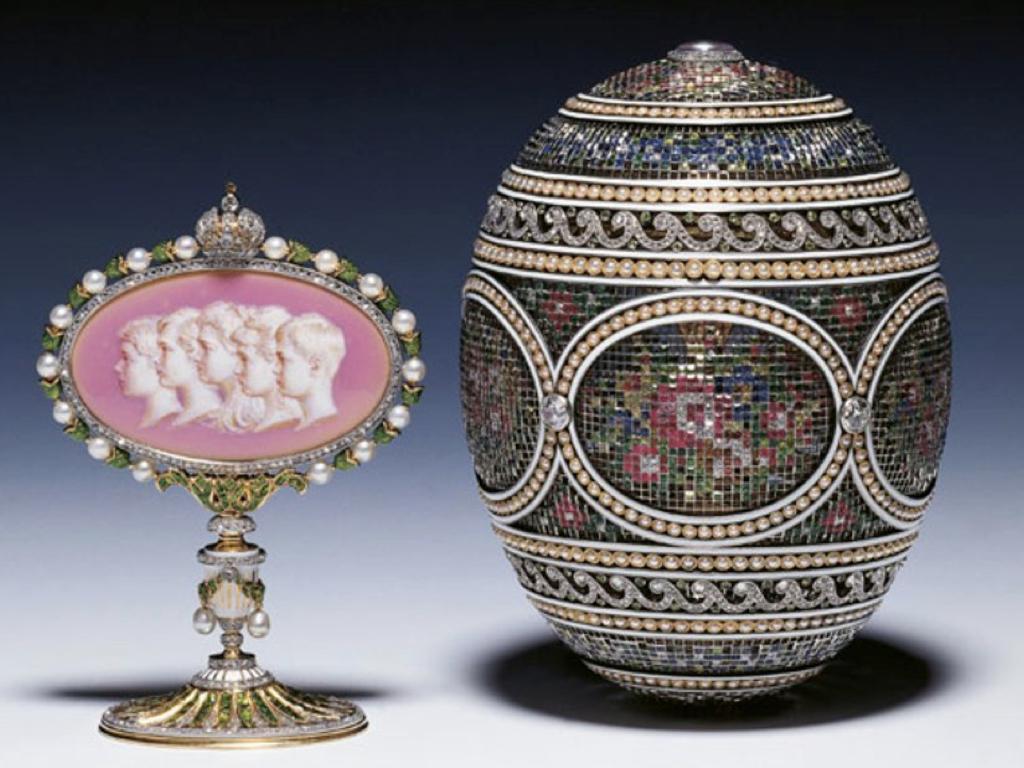
OTHER EVENTS

Society
4 Nov 2026 - 12:30
Bowdon Parish Centre
1 Stamford Rd
1 Stamford Rd
Online Event
The Royal Insider: My Life with the Queen, the King and Princess Diana
Society
Mr Timothy Wilcox
16 Nov 2026 - 13:45
The Bowdon Rooms
The Firs Bowdon
The Firs Bowdon
Online Event