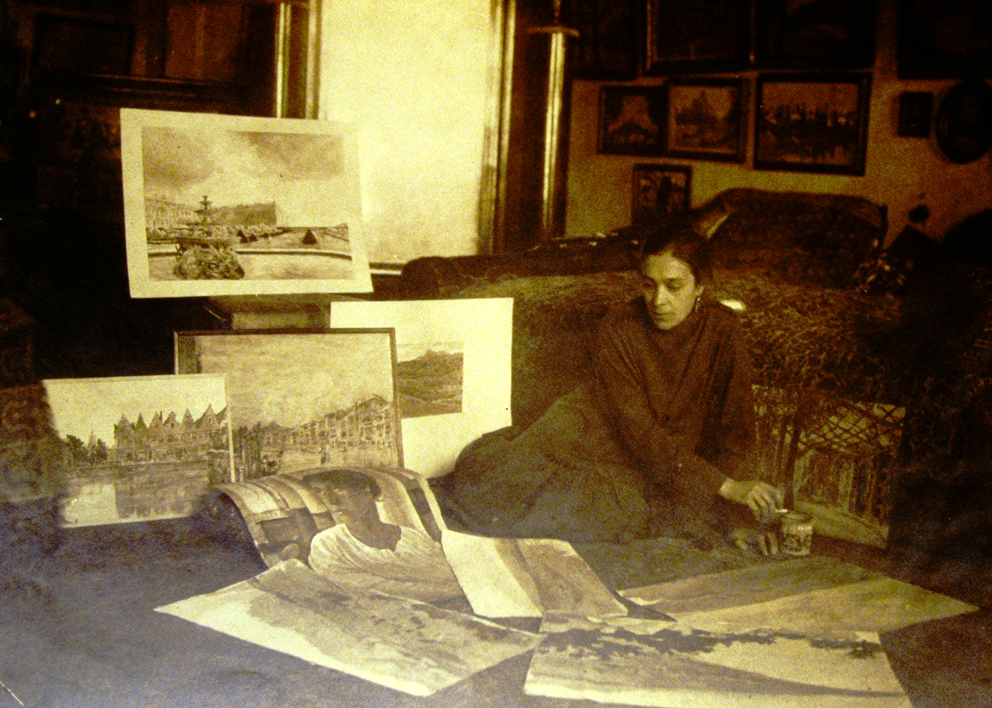
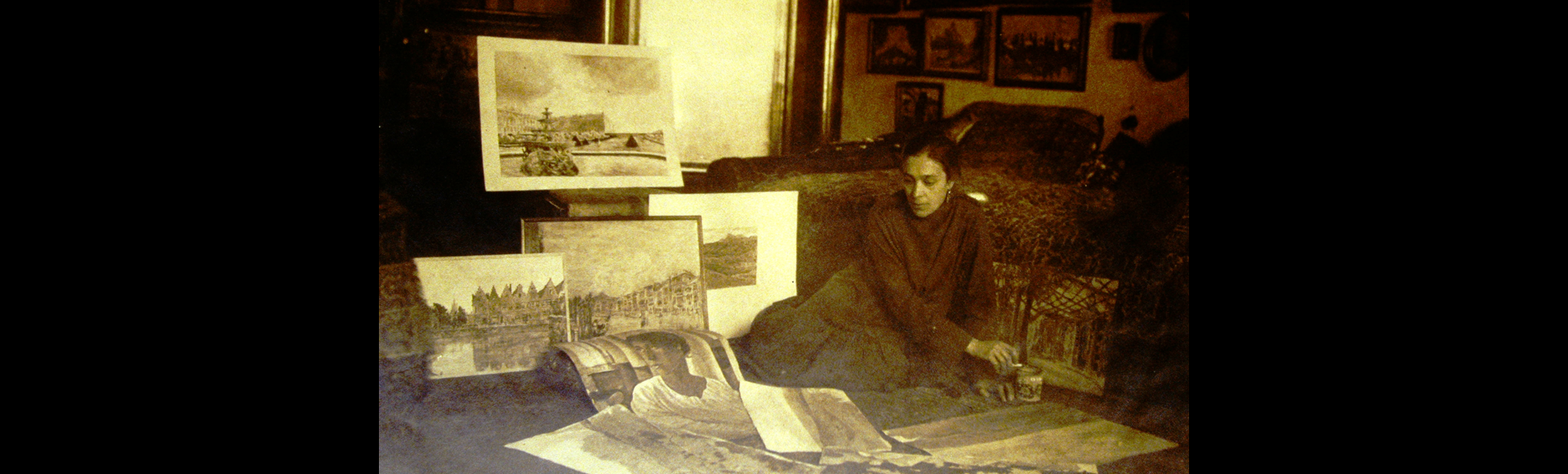

This lecture explores the powerful yet often overlooked role of women patrons in shaping the early twentieth-century avant-garde, focusing on the transnational networks that linked Paris, London, and St. Petersburg. At its center is Peggy Guggenheim, whose fearless collecting and support of experimental artists helped define modern art in Europe and the United States. Situating Guggenheim alongside earlier and contemporary women patrons such as Berthe Weill, Davies Sisters and Nadezhda Dobychina, the lecture examines how salons, galleries, and personal networks created alternative infrastructures for avant-garde art. Moving between Paris, London, and St. Petersburg, it reveals how women collectors, hosts, and cultural intermediaries not only financed radical art but also shaped its reception, circulation, and legacy. By foregrounding their agency, the lecture reframes the history of modernism as a collaborative project in which patronage, gender, and international exchange were deeply intertwined.
Gallery
Peggy Guggenheim