In venue and online via Zoom
with Clare Ford-Wille


In venue and online via Zoom
with Clare Ford-Wille
Day 4 of the 2026 Jean Bolton Memorial Study Course
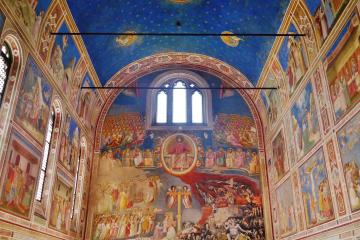
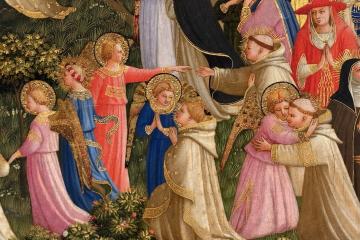
Art and Colour
Course Outline:
Colour has a profound impact on our perceptions, attention, experiences and emotions making it a powerful element in life and in the arts. This series of lectures seeks to explore the role and impact of colour in different periods of history and geographical locations as well as identifying the sources, composition and development of artistic materials. We will also explore the symbolism, meaning and spiritual significance of colour. Examples will demonstrate the power of colour to attract and focus attention, express and impact emotion, intensify experience, and communicate non-verbally. The series will also explore the varying status and importance of colour verses drawing and line and variations including: vibrant v. muted, oil pigments v. egg tempera, watercolour and fresco and the development of materials over the historical periods. In some sessions attention will also be given to the particular role of Venice as a supplier of pigments and source of important developments. Links between the concept of colour in visual, musical and auditory art forms will be made in some sessions. The 5 study days will cover the Medieval, Renaissance and Baroque periods in Western European Art together with the Nineteenth century in Western and Eastern European Art.
Day 4 with Clare Ford-Wille is entitled: From Caravaggio to Caspar David Friedrich: Colour in Art in the 17th and 18th Centuries
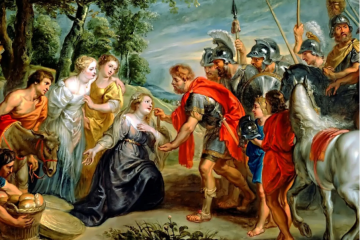
Colour has a vital part to play in our understanding and enjoyment of painting and sculpture. The study day will explore how colours were made and used by artists and sculptors from 17th to the late 18th centuries and the sheer variety of colour is outstanding from the rich ranges of browns, yellows and reds in the work of Rembrandt to the solid blocks of colour seen against a very dark background in the work of Caravaggio. Colour is vital in the understanding of a composition, the subject and meaning of a painting or sculpture, whether used in fresco, tempera, oil, pastel, or watercolour. The placing of distinct colours throughout the composition can direct the eye and intensify the impact upon the spectator. Colours, such as red and green or blue and yellow, can be symbolic or can identify figures such as Mary Magdalene or St. Peter, in order to clarify a religious narrative for the viewer. Careful placing of subtle and varying colours in brushstrokes which, when seen from the correct distance, can appear as gold tassels, silver embroidery or facial expression in the work of Frans Hals, Velazquez, Rubens or Rembrandt. How were colours and their application used to create these effects?
During the 17th century colour was used to powerful effect even in sculpture, such as that of Bernini, as not only could his cutting of the marble produce dramatic light and shade, but his use of fresco combined with stucco, coloured marbles and gilded wood produced unforgettable colour, for example in the Ecstasy of Santa Teresa, as well as the riot of colour in the ceiling frescoes of 17th century Rome by his contemporaries. Rubens was a master of colour in all his work, but particularly in his remarkable oil sketches, where just enough colour was provided to show his intentions, so that the sketches could be created in finished works by his assistants.
Dutch artists used colour to create a reality of northern daylight in the realism of Dutch landscape as in the work of Hobbema or the cloud effects in the work of Jacob van Ruisdael. Nowhere is this better seen too than in the work of Vermeer. Still life can be a wonderful miraculous vehicle in the use of colour whether in the work of Jan Brueghel the Elder, Chardin or the ebullient flower pieces of de Heem.
By the 18th century, with the advancement in chemistry, botany and minerology, new colours began to be discovered, such as Prussian Blue or Mauve. Pastels which could be made in a huge range began to be used to wonderful effects in the work of Chardin and Liotard. Colour was transformed in the light sunny tones in the decorative paintings of Boucher or Fragonard. Interior decoration was similarly transformed in the frescoes of Tiepolo and his son.
You can book for the whole course or just individual days. The course consists of 5 days as follows and all are available in venue (Winchester) and online via Zoom:
Price: £35 per day in venue, to include coffee/tea, light lunch with wine or soft drinks; £15 per session for online attendees.
This year we are offering a reduced total fee of £165 and £70 for in-venue and online tickets respectively when you select all 5 days as a bundle. Please see the Ticket Tailor box office for further details.
For more information go to: https://theartssocietyhantsiowarea.org.uk/Special/Special.aspx
Tickets: https://buytickets.at/theartssocietyhampshireandisleofwightarea
Contact the organiser if required at: hampshireisleofwightarea@theartssociety.org
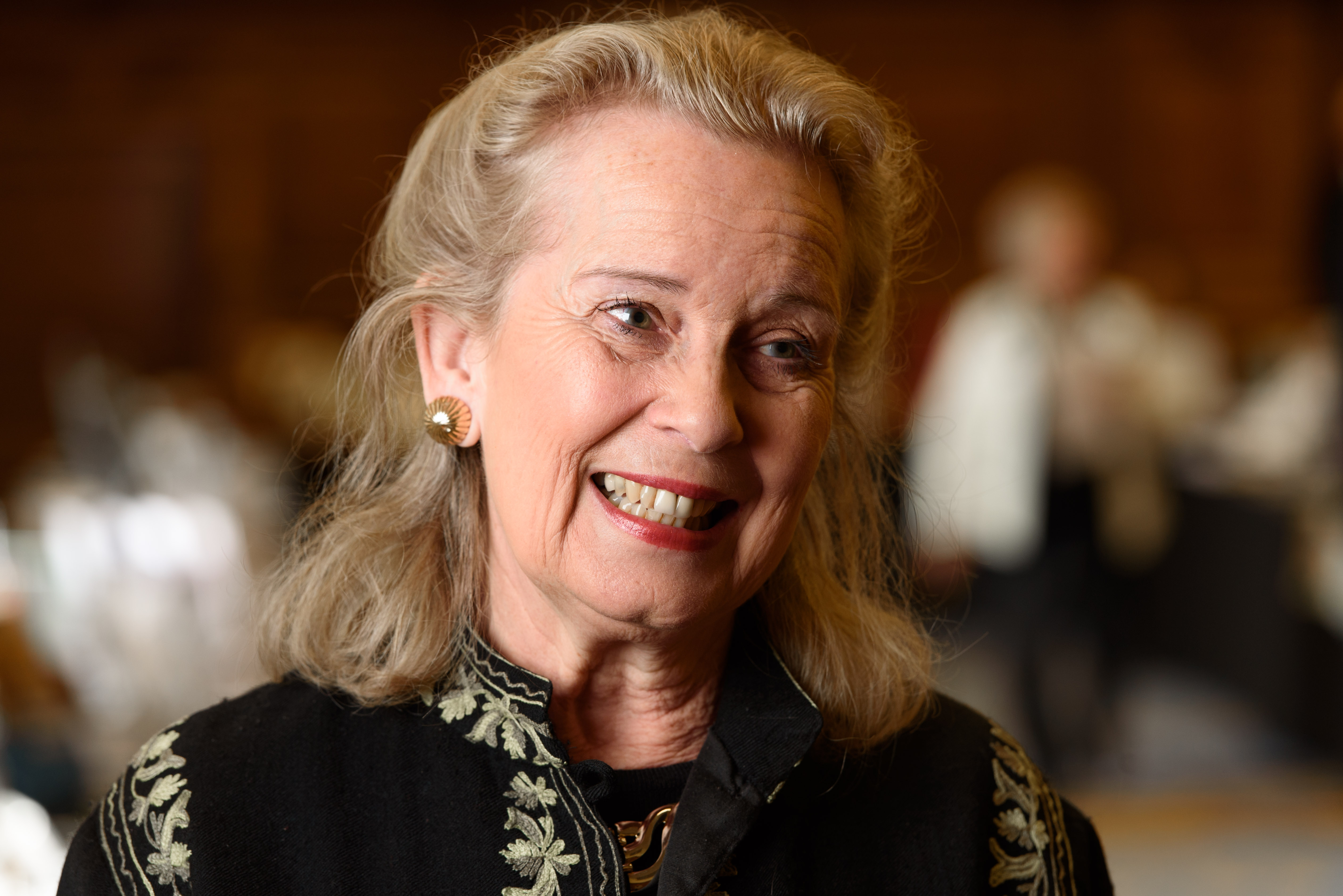
Honours degree in History of Art, Birkbeck College, University of London. Regular commitments include Centre for Lifelong Learning, London University, National Gallery, V&A Museum, WEA, Morley College, the City Literary Institute, the Art Fund and National Trust. Study tours abroad.