In venue and online via Zoom
with Dr Paula Nuttall

In venue and online via Zoom
with Dr Paula Nuttall
Day 2 of the 2026 Jean Bolton Memorial Study Course
Art and Colour
Course Outline:
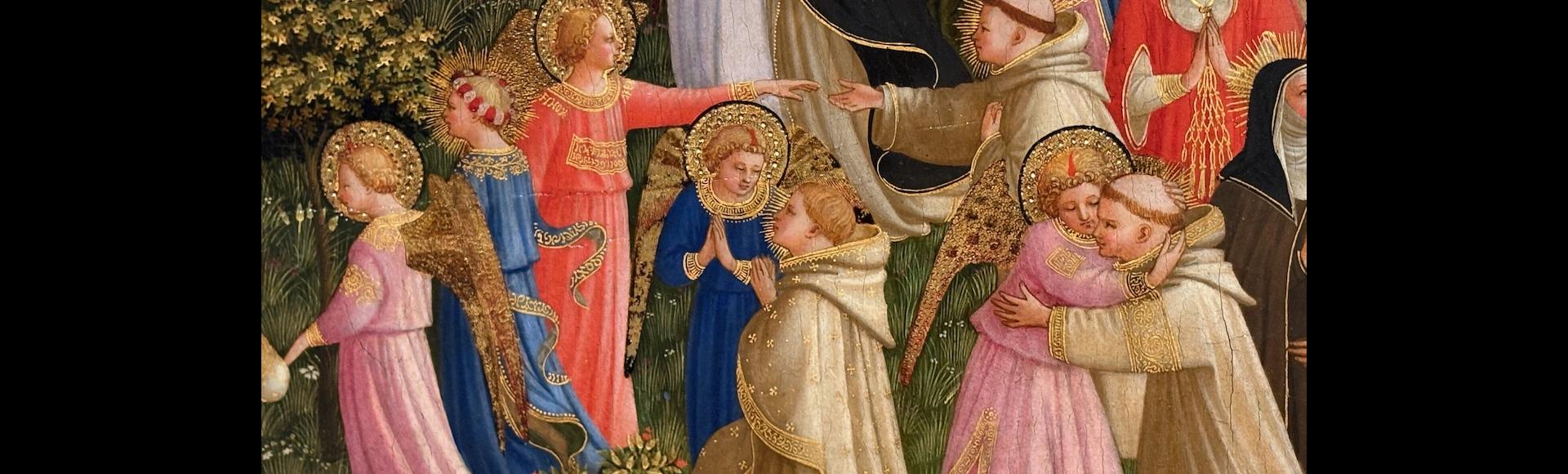
Colour has a profound impact on our perceptions, attention, experiences and emotions making it a powerful element in life and in the arts. This series of lectures seeks to explore the role and impact of colour in different periods of history and geographical locations as well as identifying the sources, composition and development of artistic materials. We will also explore the symbolism, meaning and spiritual significance of colour. Examples will demonstrate the power of colour to attract and focus attention, express and impact emotion, intensify experience, and communicate non-verbally. The series will also explore the varying status and importance of colour verses drawing and line and variations including: vibrant v. muted, oil pigments v. egg tempera, watercolour and fresco and the development of materials over the historical periods. In some sessions attention will also be given to the particular role of Venice as a supplier of pigments and source of important developments. Links between the concept of colour in visual, musical and auditory art forms will be made in some sessions. The 5 study days will cover the Medieval, Renaissance and Baroque periods in Western European Art together with the Nineteenth century in Western and Eastern European Art.
Day 2 with Dr Paula Nuttall is entitled Renaissance Colour: Innovation, Theory and Practice
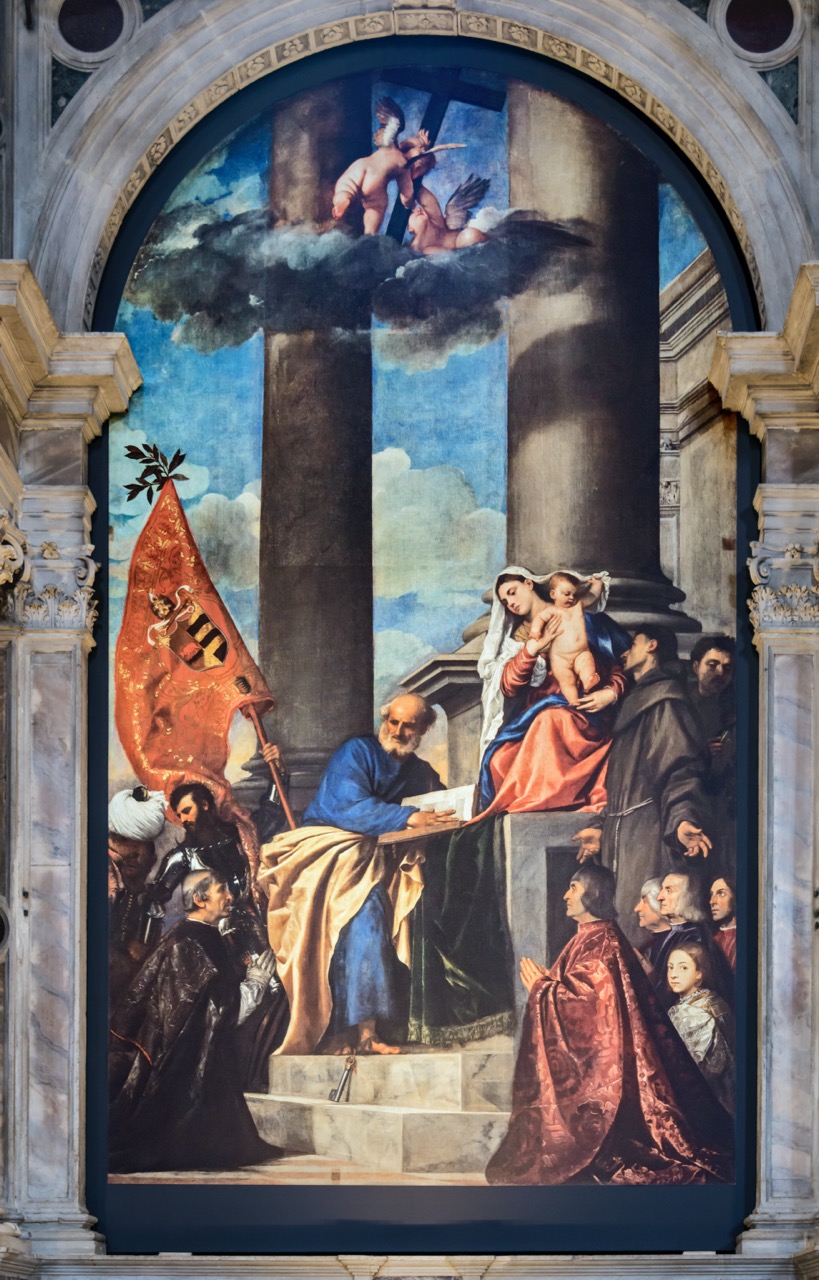
What distinguishes Renaissance colour from that of the Middle Ages? Although pigments were mostly the same as in the earlier period, the expectations of painting, and its colouristic potential, changed significantly between 1400 and 1600. Responding to the new emphasis on the ‘imitation of nature’ i.e. the lifelike representation of light, form and space, artists such as Van Eyck and Piero della Francesca explored new ways of employing and applying colour, aided by technical developments, notably oil painting. Concomitantly, the evolution of art theory prompted new approaches to colour, beginning with Alberti in 1430s Florence, through to Leonardo’s almost colourless tonal unity (sfumato) and its polar opposite, the ‘unnatural’ colour of Mannerist painters such as Pontormo; and the highly consequential sixteenth-century Italian debate on the merits of ‘colour’ versus ‘drawing’, exemplified by the paintings of Leonardo, Michelangelo, Raphael and Titian.
We shall also consider Renaissance colour in a wider context, including the relationship between pigments and trade, and Venice’s special status as a hub. How did people experience colour in the everyday, for instance in churches, in a period that saw a shift from lavish late Gothic polychromy to colouristic restraint? How was colour used to make social distinctions through dress? How did painters use colour in composition? How do pigments react and change over time, affecting how we see Renaissance paintings today?
You can book for the whole course or just individual days. The course consists of 5 days as follows and all are available in venue (Winchester) and online via Zoom:
Price: £35 per day in venue, to include coffee/tea, light lunch with wine or soft drinks; £15 per session for online attendees.
This year we are offering a reduced total fee of £165 and £70 for in-venue and online tickets respectively when you select all 5 days as a bundle. Please see the Ticket Tailor box office for further details.
For more information go to: https://theartssocietyhantsiowarea.org.uk/Special/Special.aspx
Tickets: https://buytickets.at/theartssocietyhampshireandisleofwightarea
Contact the organiser if required at: hampshireisleofwightarea@theartssociety.org
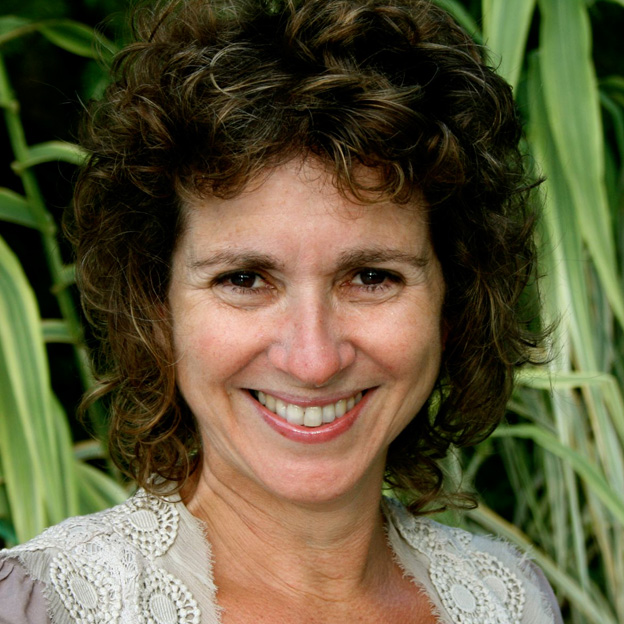
Specialist in Renaissance art, both Italian and northern European, on which she has published widely, notably From Flanders to Florence: the Impact of Netherlandish Painting 1400-1500 (Yale, 2004). Has collaborated on major exhibitions including Jan van Eyck: an Optical Revolution (Ghent, 2020). Former Director of the V&A Medieval and Renaissance Year course, and lecturer at – among others – the Courtauld Institute and the British Institute of Florence.