In-venue in Winchester and online via Zoom
with Dr Sally Dormer

In-venue in Winchester and online via Zoom
with Dr Sally Dormer
Day 1 of the 2026 Jean Bolton Memorial Study Course
Art and Colour
Course outline:
Colour has a profound impact on our perceptions, attention, experiences and emotions making it a powerful element in life and in the arts. This series of lectures seeks to explore the role and impact of colour in different periods of history and geographical locations as well as identifying the sources, composition and development of artistic materials. We will also explore the symbolism, meaning and spiritual significance of colour. Examples will demonstrate the power of colour to attract and focus attention, express and impact emotion, intensify experience, and communicate non-verbally. The series will also explore the varying status and importance of colour verses drawing and line and variations including: vibrant v. muted, oil pigments v. egg tempera, watercolour and fresco and the development of materials over the historical periods. In some sessions attention will also be given to the particular role of Venice as a supplier of pigments and source of important developments. Links between the concept of colour in visual, musical and auditory art forms will be made in some sessions. The 5 study days will cover the Medieval, Renaissance and Baroque periods in Western European Art together with the Nineteenth century in Western and Eastern European Art.
Day 1 with Dr Sally Dormer is entitled: Art and Colour in the Middle Ages
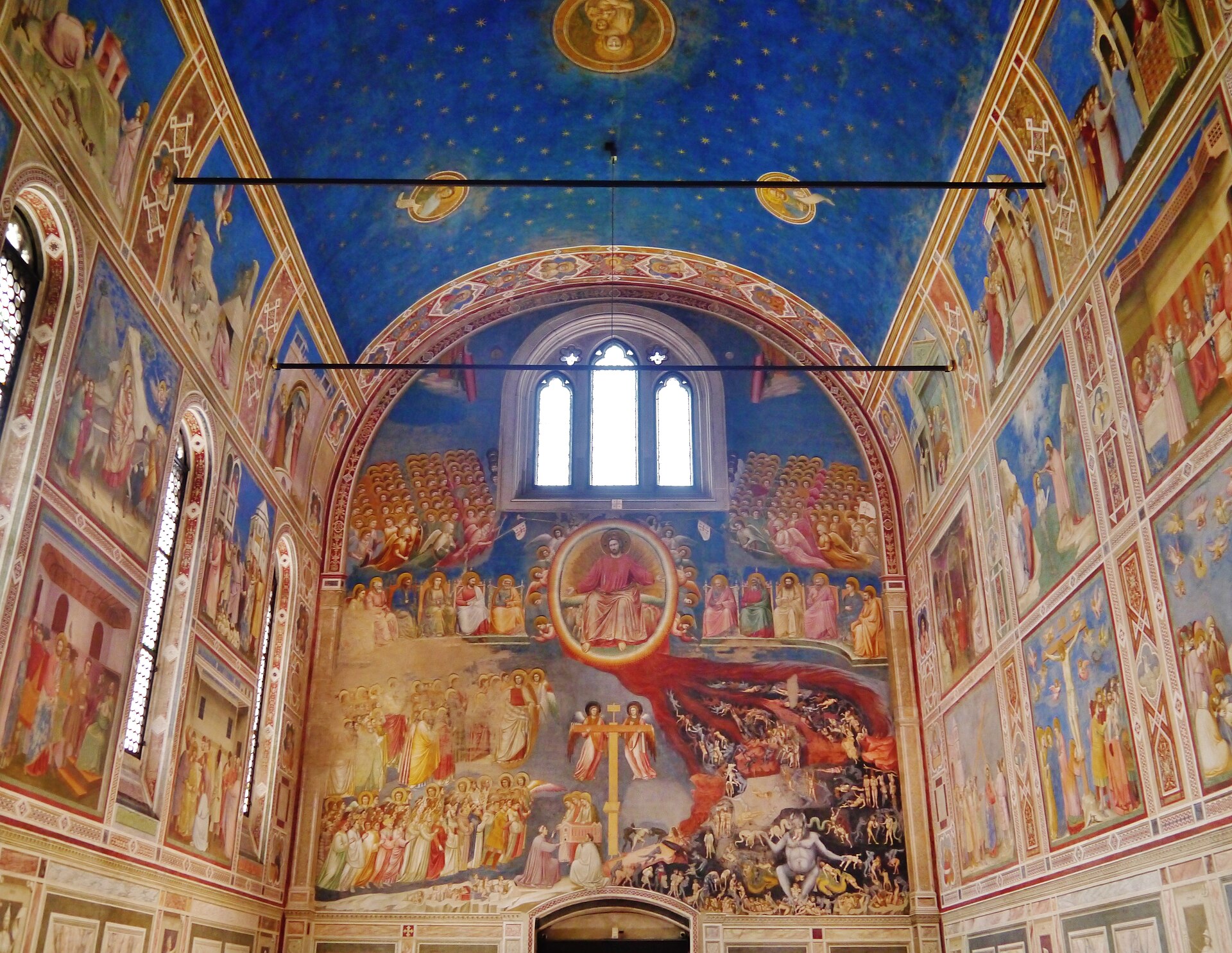
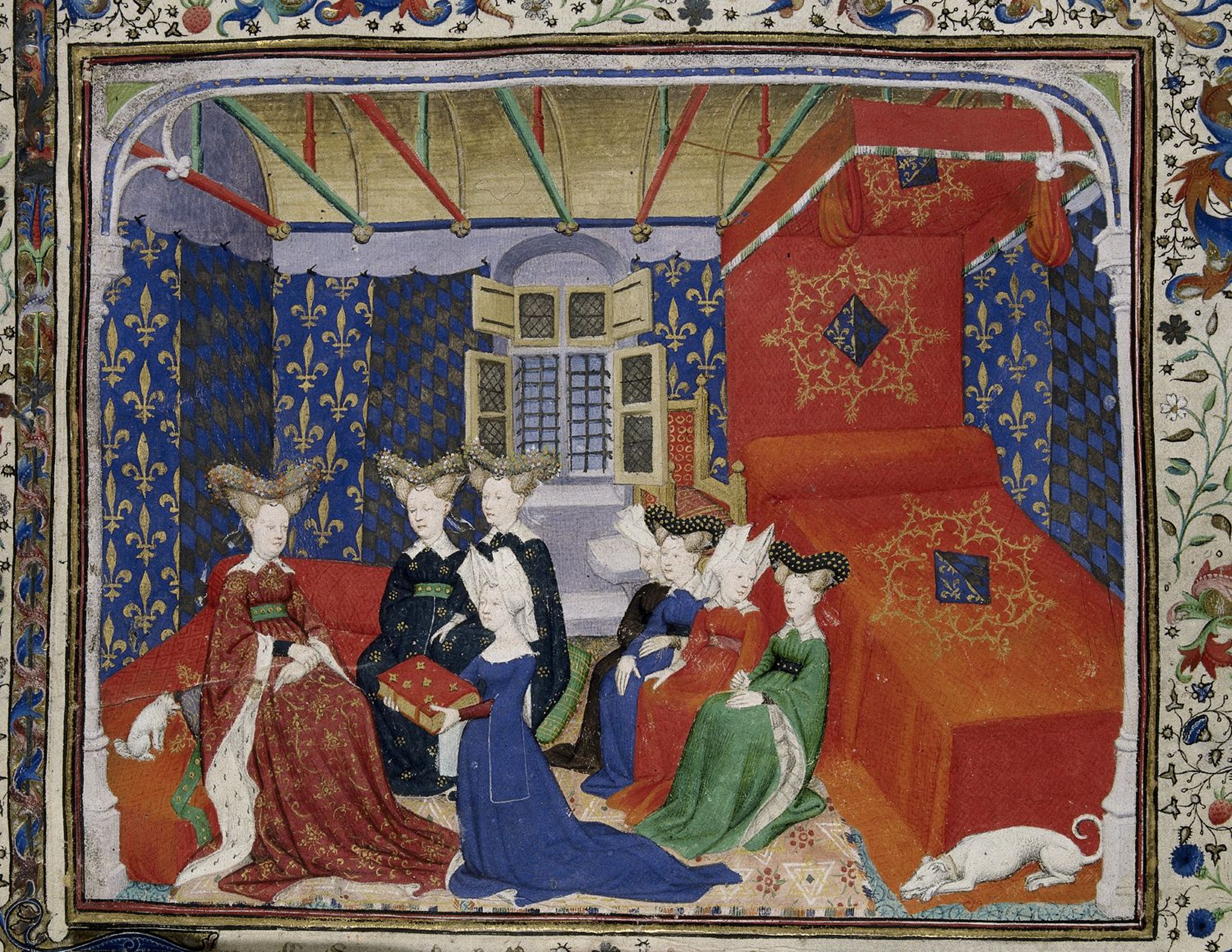
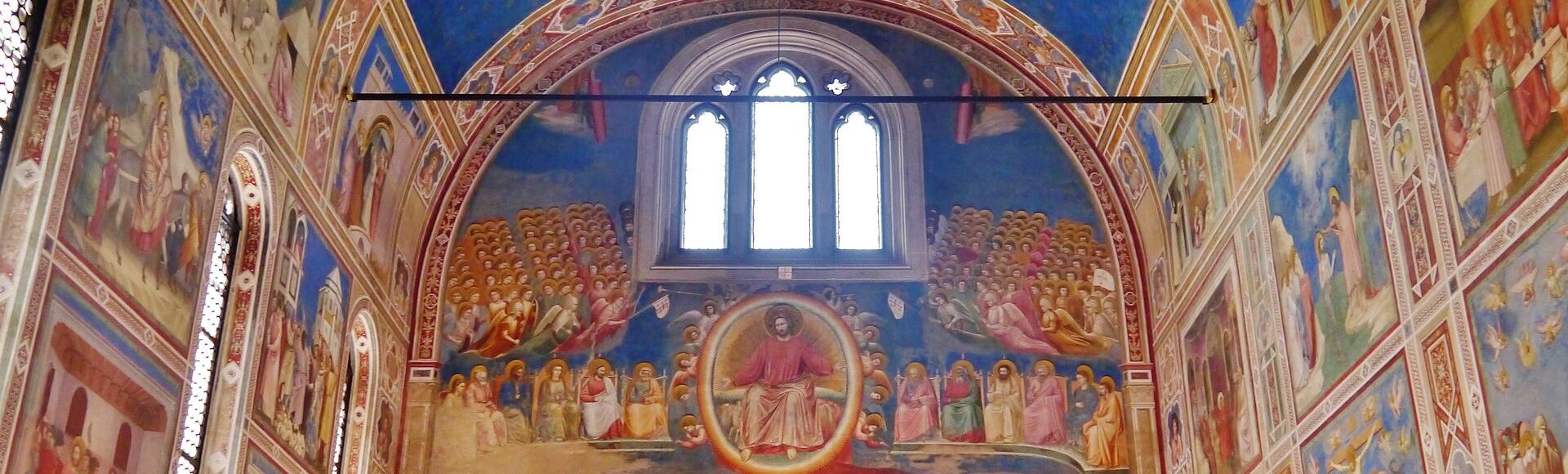
“Nothing like it could be seen in England either for the light of its glass windows, the gleaming of its marble pavements, or the many-coloured paintings which led the eyes to the panelled ceiling above”. William of Malmesbury’s description of Prior Conrad’s mid-12th-century Canterbury Cathedral choir confirms the medieval taste for interiors saturated with colour. To evoke the multi-coloured, jewel-studded, splendours of Heaven, as described in the Bible, the walls, ceilings and vaults of churches were sheathed in colourful paint or mosaic, sculpture was painted in a palette of bright hues, and windows filled with coloured glass. High-status secular interiors, furnished with vibrant textiles, also sang with colour, and high-status ecclesiastics and laypeople alike revelled in wearing flamboyant, vivid, garments. Medieval audiences would be disappointed and dismayed by the restrained minimalism of contemporary upmarket interiors and designer outfits!
This study day will consider colour in medieval art from three perspectives, materials, symbolism, and an obsession with blue. Medieval technical treatises detail the breadth of materials used to embellish walls, panels, pages, fabric and leather: minerals like malachite; organic matter extracted from plants, insects and molluscs; and substances as diverse as lead and urine from which pigments were manufactured. Modern technology enables precise identification of these colorants and pinpoints their origins. Colour certainly pleased the medieval eye, but it also conveyed symbolic spiritual and temporal messages: purple signalled imperial or royal power, red was associated with Church feasts of martyr saints; and white embodied purity. Blue was the most revered and celebrated of all, regarded as symbolising the heavenly. Christ’s robes, and those of his mother, the Virgin Mary, were typically coloured blue, and various blues dominated church interiors. Expensive sky-blue sapphires sourced from Sri Lanka and deep purple-blue lapis lazuli imported from Afghanistan were enjoyed by those with deep pockets, while cheaper grey/green blues made from indigo, copper, or cobalt-oxide, were employed by those of more modest means.
You can book for the whole course or just individual days. The course consists of 5 days as follows and all are available in venue (Winchester) and online via Zoom:
Price: £35 per day in venue, to include coffee/tea, light lunch with wine or soft drinks; £15 per session for online attendees.
This year we are offering a reduced total fee of £165 and £70 for in-venue and online tickets respectively when you select all 5 days as a bundle. Please see the Ticket Tailor box office for further details.
For more information go to: https://theartssocietyhantsiowarea.org.uk/Special/Special.aspx
Tickets: https://buytickets.at/theartssocietyhampshireandisleofwightarea
Contact the organiser if required at: hampshireisleofwightarea@theartssociety.org

Lecturer and tutor for the Early Medieval Year Course at V&A. Dean of 'European Studies' for 2 US Universities. Freelance lecturer for The Art Fund. Study tours, cruises and tour groups. BA (History) University of Durham; PhD (Medieval Manuscript illumination) and MA (Medieval History of Art) Courtauld Institute.