

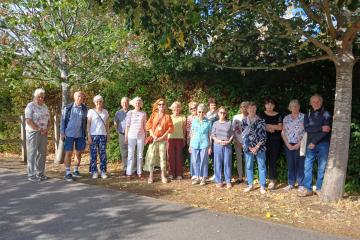
On Monday 14 September 2026 a group from The Arts Society Gravesend visited Syon House and Gardens in Brentford. Syon
Lecture 11 March 2026 Never Mind Quantitative Easing, Show Us The Bling: A Peep At The Bank Of England's Artworks
Lecture 11 March 2026 Never Mind Quantitative Easing, Show Us The Bling: A Peep At The Bank Of England's Artworks
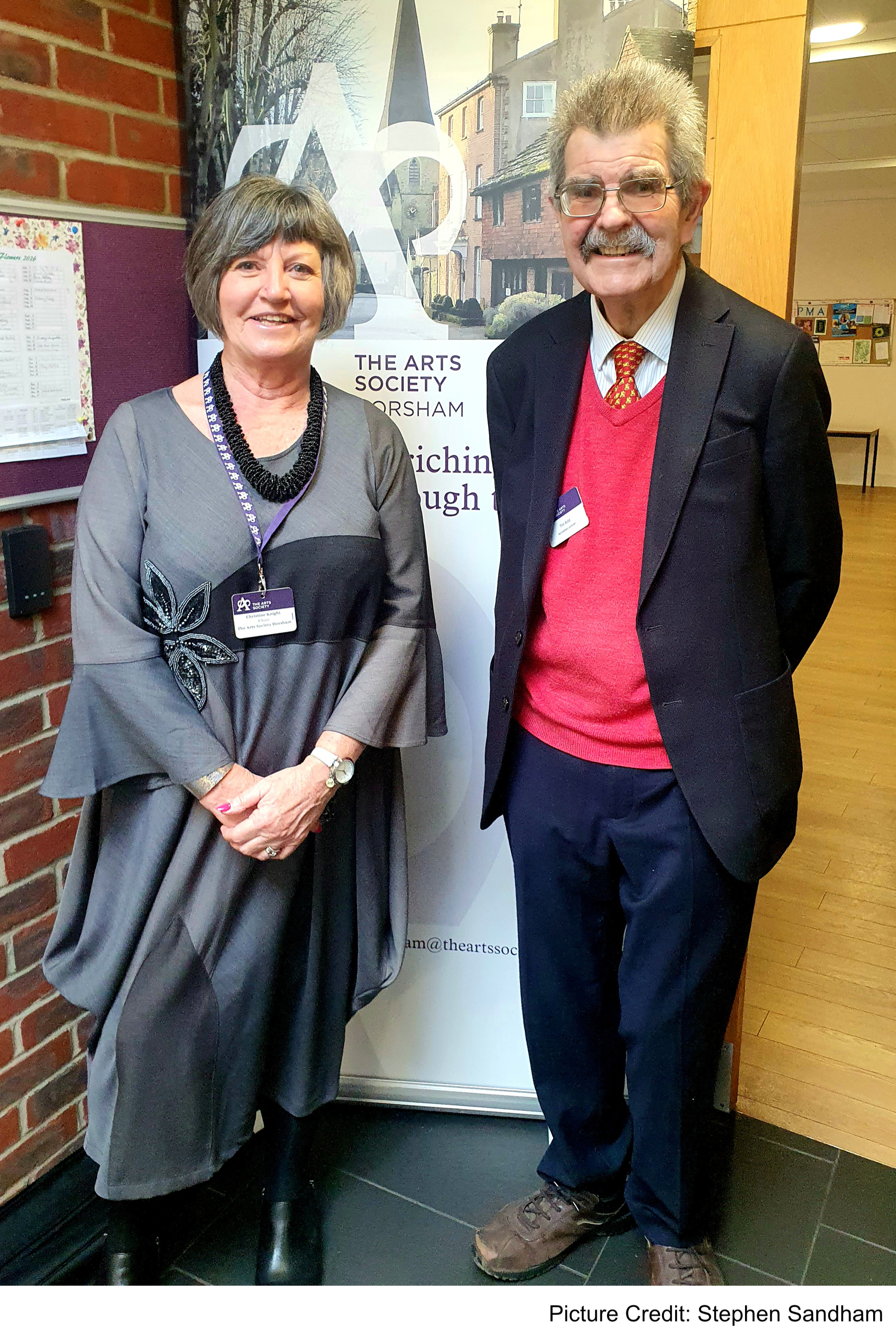
If the mention of “quantitative easing” still sends shivers down your spine with its association to an economic crisis, worry not! In this fascinating lecture, Tim Kidd guided his audience of the Arts Society Horsham on a secret tour of the Bank of England, in which we learnt about the founding of the Bank, the architecture and design of the building, the symbolisms of the art works and many aspects of the social and political history of this famous institution.
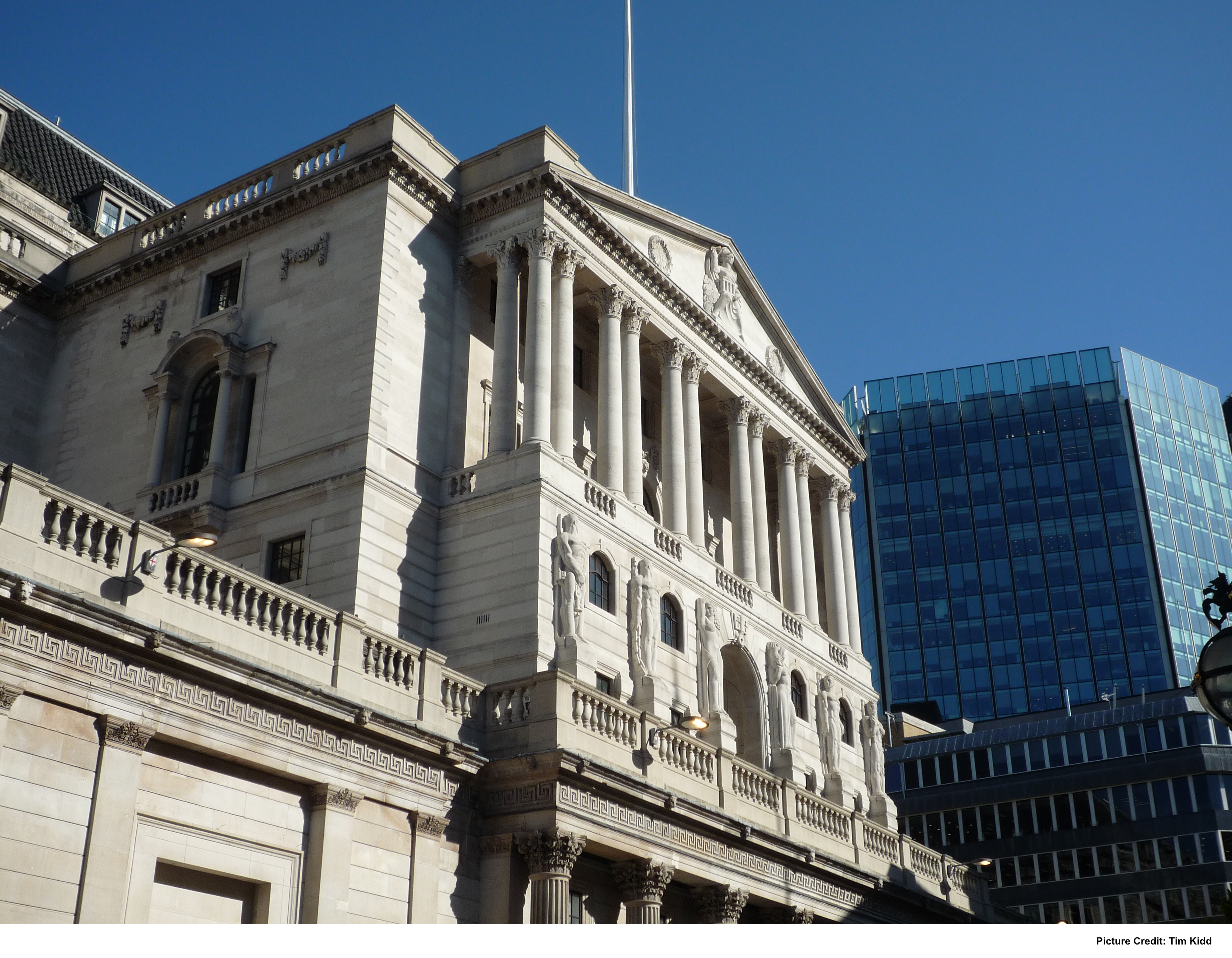
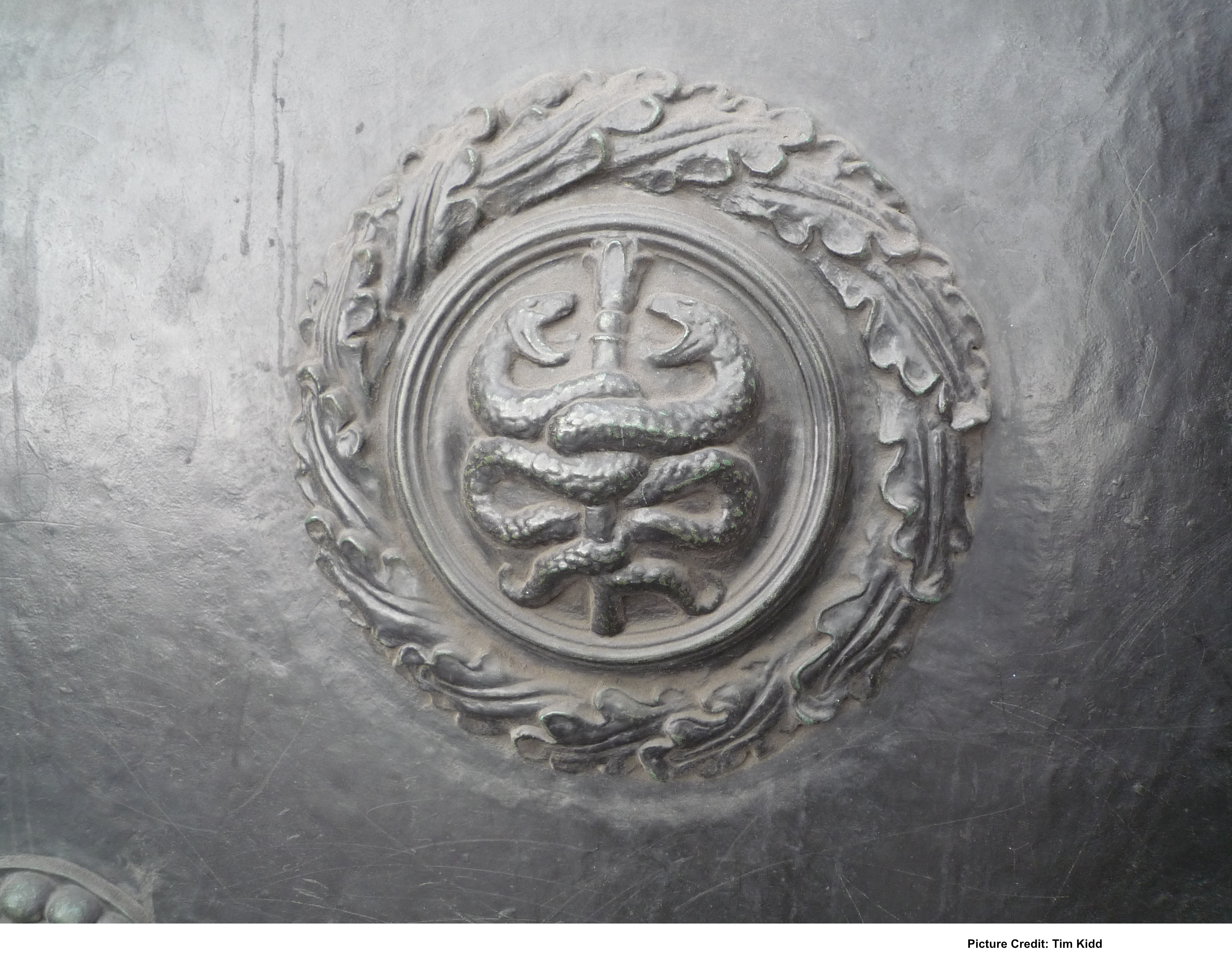
The Bank of England began as a private bank acting as banker to the government. A Royal Charter granted by King William and Queen Mary in 1694 established it as a bank for the “public good”. The original Bank of England building on Threadneedle Street was designed by Sir John Soane, commissioned in 1788. The present building was reconstructed between the war years under the successful collaboration of architect Herbert Baker, Sir Charles Wheeler who was responsible for the exterior of the building and Boris Anrep who completed the interior decoration with beautiful mosaics to reflect the site’s Roman history. Our attention was drawn to the architectural details and interior design, with their rich and auspicious symbolisms relating to the history of London as a port and centre of commerce. For example, the Cornucopia mosaic design by Anrep at the entrance features gold coins instead of vegetables for its “horn of plenty”!
We learnt about the gold being stored in the vault (on behalf of the Bank’s clients) and, incidentally, is directly above the Central Line! There was an intriguing story of a Victorian sewer worker who accidentally found a certain drain that led to the gold vault. He invited the bank’s governor to meet him in the vault so that he could reveal the security risk to the governor!
Until 1797 currencies issued by the Bank of England could be exchanged for gold. However, with the imminence of a French invasion, the government under William Pitt the Younger reformed this practice and all bank notes now simply bear a printed undertaking “I promise to pay the bearer on demand the sum of…” Was this the beginning of quantitative easing?
Like all knowledgeable guides full of useful tips, we now know the finest toilet in London is located at the Bank of England’s museum which is open to visitors! We also learnt that we can visit the Old Lady of Threadneedle Street in person to exchange an out of date bank note for a new one! And so the gems of knowledge kept showering on us like pennies from heaven until Tim’s kitchen timer sounded! No gold bar to take home but it was an enriching and entertaining morning nonetheless!
 ,
, 
MORE FEATURES
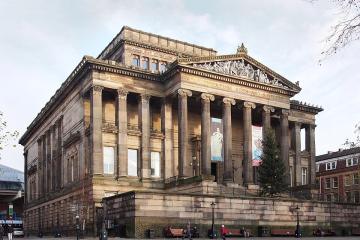
We are looking to arrange a day trip to the recently reopened Harris Museum in Preston.