
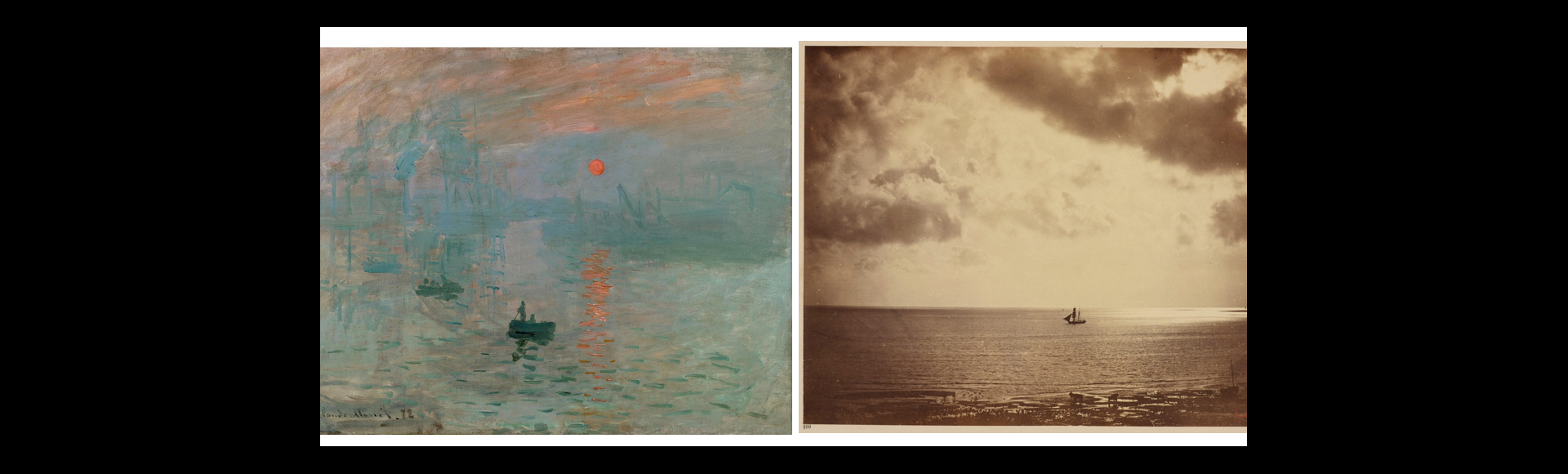
In this lecture we will consider how photography participated in changing the face of painting in the second half of the 19th century.

Invented at the end of the 1830s, photography triggered a visual revolution. At the time, some feared that photography would replace painting altogether. It certainly did not but painting was not left untouched either. In this lecture we will consider how photography participated in changing the face of painting in the second half of the 19th century. It introduced a new relationship between reality and its representation that influenced painters such as the Realists and the Impressionists. It also encouraged painters to explore new directions. Freed from having to record the external world, painters could focus on more intangible things (such as emotions) or on formal aspects (such as colour for its own sake).
Gallery - A collage of a painting by Monet and a photograph by Gustave Le Gray
THE ARTS SOCIETY ACCREDITED LECTURER

Dr Caroline Levisse
Dr Caroline Levisse is an art historian based in London. She was born in France where she studied art history before moving to Copenhagen. In Denmark, she focused on research work and completed a PhD on the relations between art and religion in contemporary Scandinavian art. After graduating in 2013, she moved to London and started teaching art history with adult education providers. She has since developed a range of courses focusing on 19th and early 20th century Western art. She has published articles in French and English in academic journals as well as magazines and newspapers, such as Church Times and Arts sacrés.
GALLERY 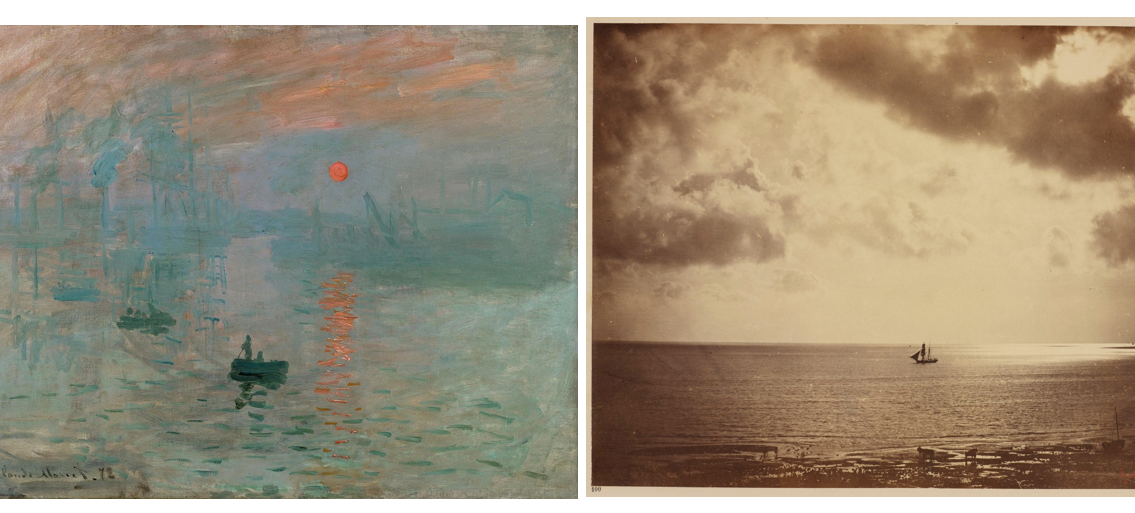
OTHER EVENTS
Society
Mrs Janet Gough
23 Apr 2026 - 19:30
Online Event
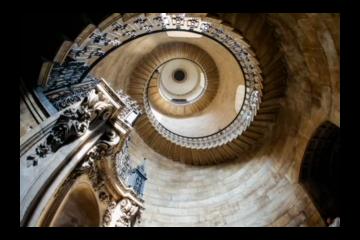
The history of England’s cathedrals, their evolving architecture and some of their treasures and their role today.

Society
Mr Roger Butler
28 May 2026 - 19:30
Online Event
A colourful introduction to the secret world of these inland waterways - artistic, architectural and engineering vernacular.