

Toys form an intimate part of our own personal histories. Some toys are universal and some reflect modern concerns.

Toys form an intimate part of our own personal histories. Some toys are universal: rattles, balls, kites and dolls entertained children in ancient times. Others reflect modern concerns: clockwork toys have been superseded by battery-operated and electronic toys. The making and the design of toys parallel the evolution of materials and technologies, trade and marketing, cultural trends and ideas about childhood. Whatever changes affect the toys of the future, however, the relationship between creativity and play will surely remain central. Toys teach children about the environment that surrounds them, while allowing them to explore the inner world of the imagination.
How to book this event:
On our website home page at www.theartssocietywindsor.org.uk and on the day at the event
THE ARTS SOCIETY ACCREDITED LECTURER
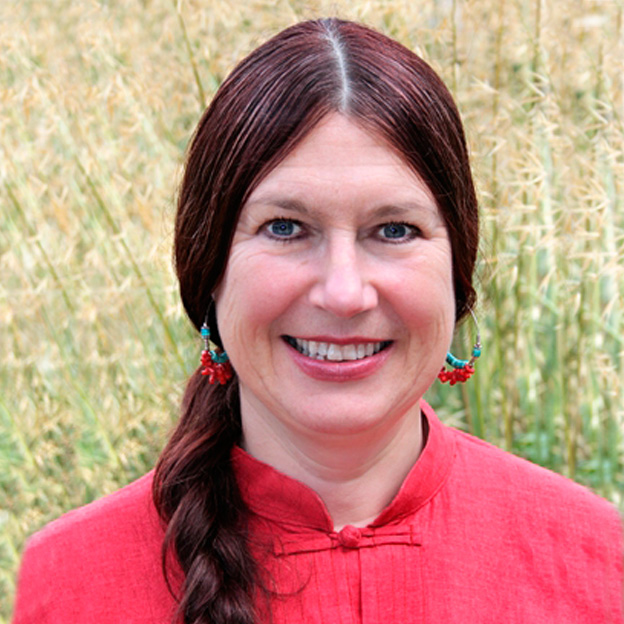
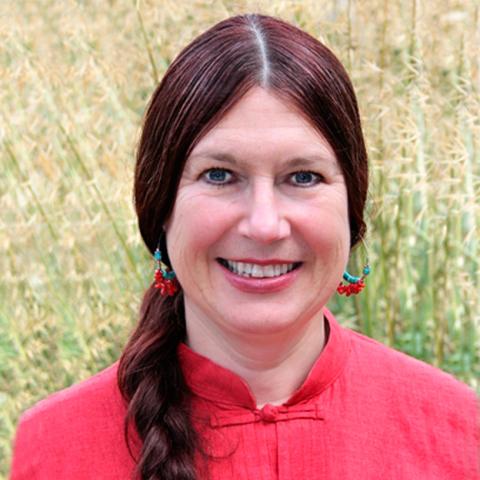
Ms Chloe Sayer
Freelance specialist in the art and culture of Latin America. Has lectured in the UK, Canada, Ireland, Mexico, Australia and New Zealand. Has curated exhibitions, and assisted on TV documentaries for BBC and Channel 4. Has made collections in Mexico and Belize for the British Museum, and is Research Associate in the Department of World Cultures at the Royal Ontario Museum. In 2016 she was awarded the prestigious Ohtli medal by the Mexican government for her long-standing commitment to Mexican culture. Her many publications include Mexican Textiles (British Museum Press, 1990), Arts and Crafts of Mexico (Thames & Hudson, 1990), Focus on Aztecs and Incas (Watts Books, 1995), The Incas - The Ancient World (Wayland, 1998), Textiles from Mexico (British Museum Press, 2002), and Mexico: Clothing and Culture (Royal Ontario Museum, 2015). Has also published articles in travel guides, newspapers and magazines.
Mobile number is for use on the day; please contact by email or landline in the first instance.
GALLERY 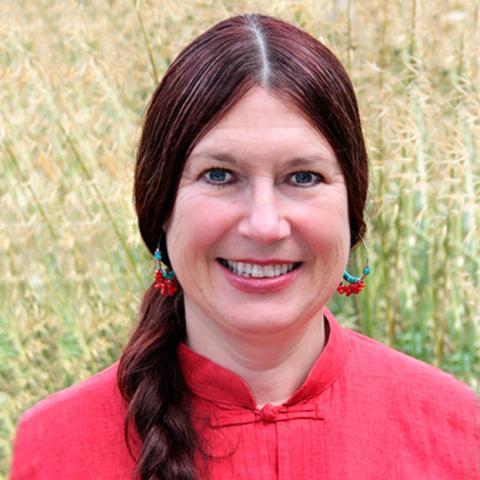
OTHER EVENTS
Society
Mrs Jane Tapley
22 Apr 2026 - 13:30
Old Windsor Memorial Hall
Straight Road
Straight Road
Online Event
400 years on and Shakespeare remains the most famous Englishman in the world

Society
Dr Matthew Morgan
27 May 2026 - 13:30
Old Windsor Memorial Hall
Straight Road
Straight Road
Online Event
Two artists developed radically opposing approaches to the emotive power of landscape painting in Britain in the early 19th Century