
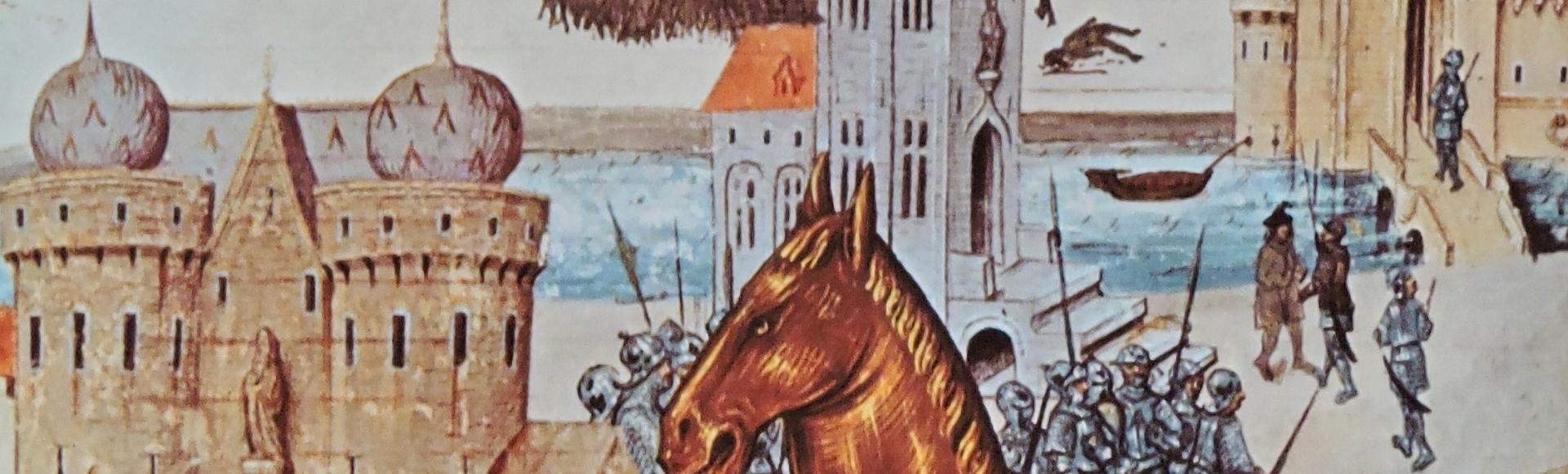
Explore the fascinating history of Türkiye- from the Trojan War and Ottoman Empire to the 20th Century and the modern Turkish state.
Itinerary:
10.00am Arrival and coffee/tea
10.30am Lecture 1
11.30am-11.45am Comfort Break
11.45am-12.45pm Lecture 2
12.45pm-2.00pm Professionally catered two-course meal
2.00pm-3.00pm Lecture 3
Lecture Descriptions:
Lecture 1: The Greco-Roman Period
There is a profusion of magnificent archaeological sites along the Aegean coast, including Troy, where Alexander the Great celebrated his landfall in Asia in 334 BC. This prehistoric site was famously excavated in the late 19th century by Heinrich Schliemann, who was convinced that here was a historical basis for the legendary Trojan War and Homer's Iliad. Other sites from the Classical period on this coast include Pergamum, where fabulous wealth from Alexander's conquests was spent on beautifying the city; Ephesus, the leading city of Ionia, where there are spectacular and extensive remains, perhaps only second in extent after Pompeii from Roman imperial times; and Halicarnassus, where the local dynast, Mausolus, had a colossal tomb built for himself - which gives us the word 'Mausoleum' for this type of structure.
Lectures 2 and 3: Istanbul
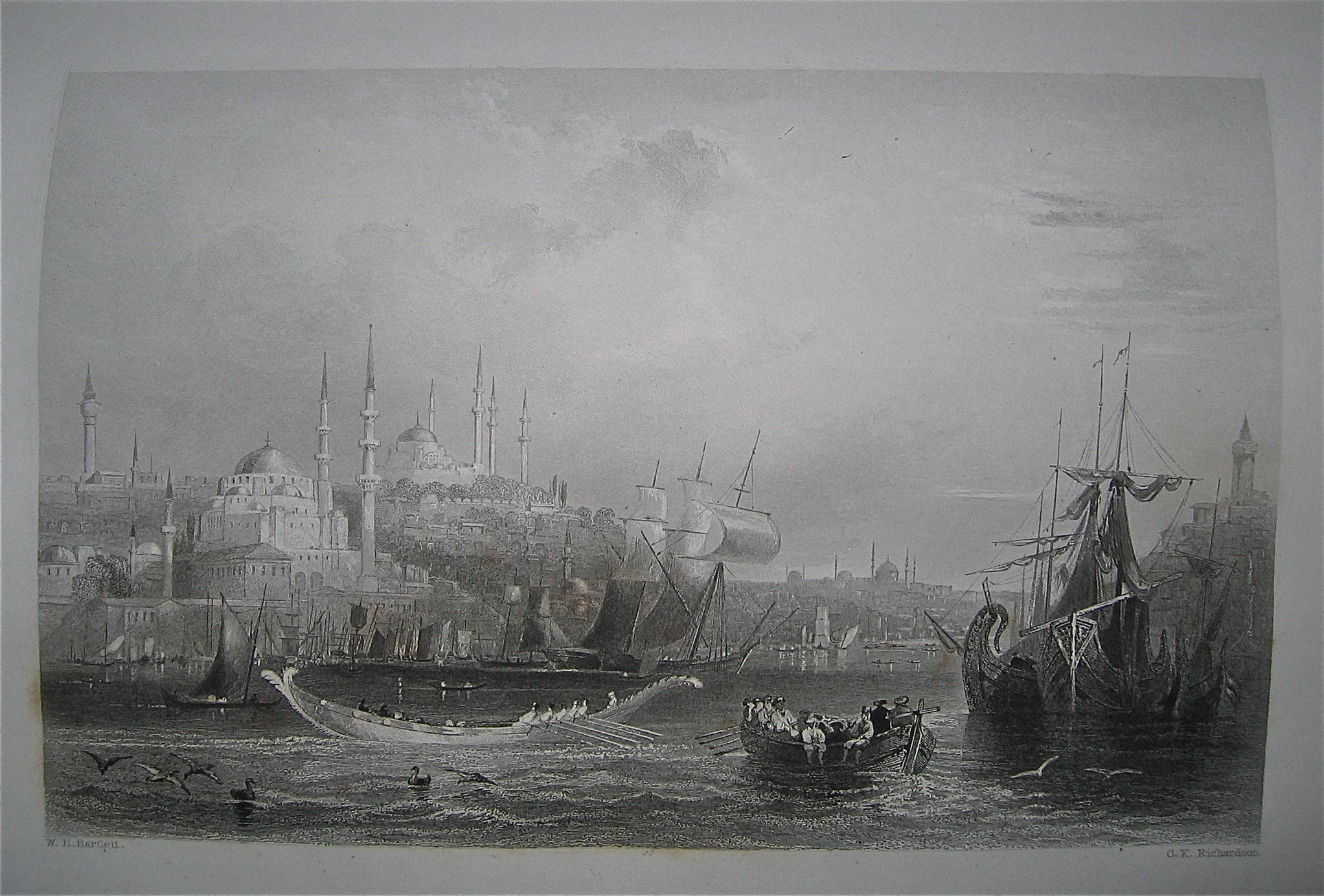
An ideal strategic site for a capital of two consecutive empires, superbly situated on the waters that divide Europe from Asia. Formerly the Greek colony of Byzantium, it was re-founded as Constantinople by the Roman Emperor, Constantine, in 330 AD. It became the hugely busy, prosperous and fascinating city that it is today, Istanbul, full of its 1800 years' history.
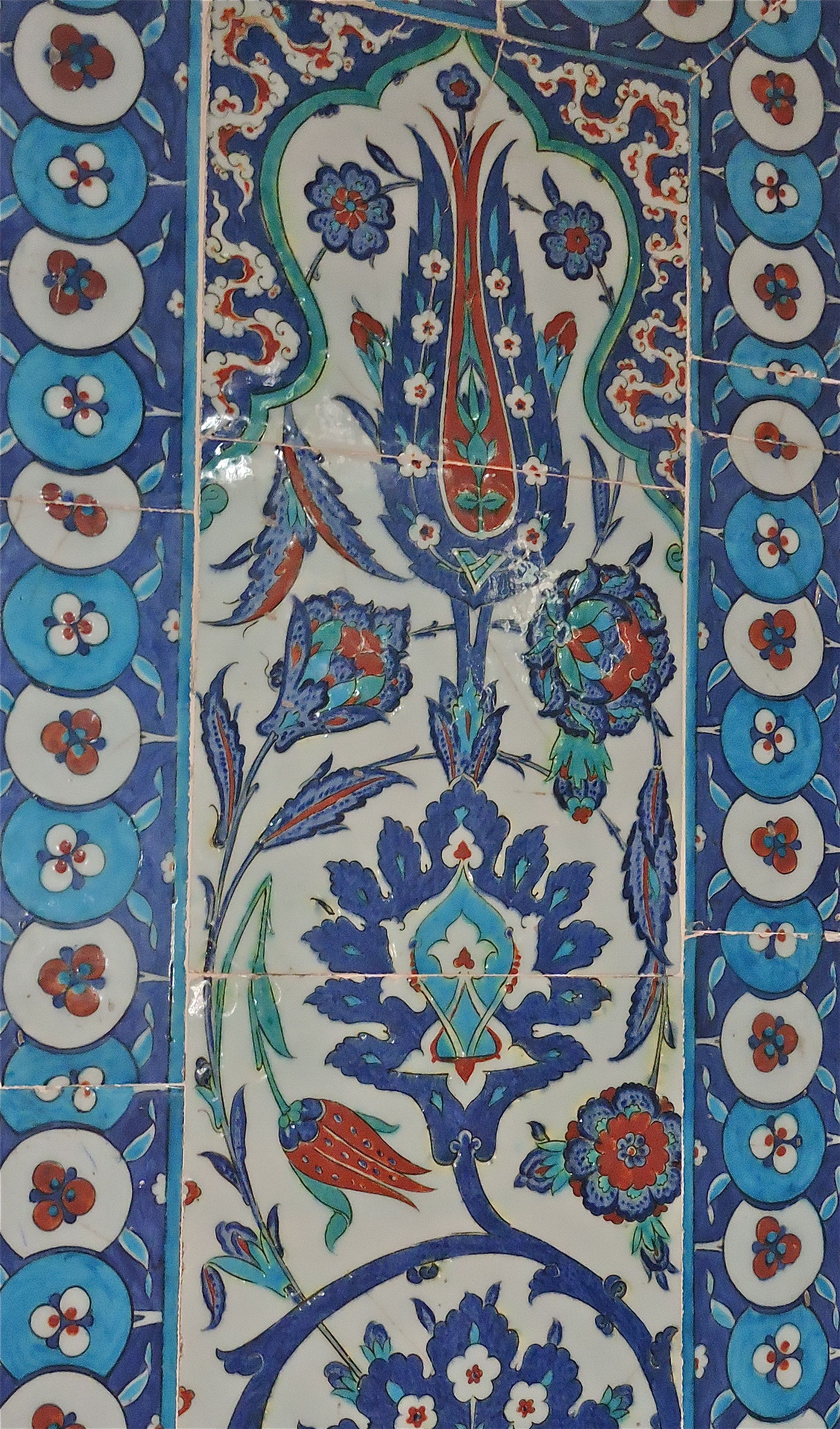
As Constantinople, it was the capital of the Eastern Roman / Byzantine Empire for over a thousand years until its capture by the Ottoman Turks in 1453. From this period there remain Justinian's great Cathedral of the Holy Wisdom, Ayia Sophia, and the Church of St Saviour in Chora, the Kariye Cami, each with outstanding mediaeval mosaics, and the Hippodrome. As rulers of the Ottoman Empire, the Sultans inhabited the extraordinary Topkapi Palace for 400 years and built imposing mosques along the city's skyline, including the great complexes of the Sulemaniye and the Blue Mosque of Sultan Ahmet.
Some 20th century history is then touched on: the most obvious moment when British and Turkish interests collided was at Gallipoli, in the First World War, when the chaotic Allied landings were stymied by heroic Turkish defence. Mention will be made of Kemal Ataturk and his extraordinary achievement in creating the modern Turkish state.
How to book this event:
Please send the following information to Wendy, at the email or home address provided.
Exploration Day Booking Form
The cost of the day is £45 per ASTV member and £50 per visitor and includes coffee/tea and a professionally catered two-course lunch. Wine and fruit juice will be available for purchase.
Name(s): ……………………………………………………………………………………
Tel: ……………………………………………..
Email: ……………………………………………………………………………………….
Special Dietary Request: …………………………………………………………………
Emergency Contact
Name: …………………………………………………………………………………………
Tel: ……………………………………………..
Payment (please delete as appropriate):
I enclose a cheque for £………………, made payable to The Arts Society Teme Valley
OR
I will pay £……………… by BACS: sort code 20-39-64 a/c no: 00837520
Please complete the above and either send by email to wendy.mccracken@manchester.ac.uk OR send with a cheque to:
Wendy McCracken, 21 Dinham, Ludlow SY81EJ .
Please telephone me on 07766015329 if you have any queries or would like more information. Confirmation will be by email unless an s.a.e. is enclosed.
THE ARTS SOCIETY ACCREDITED LECTURER
Mr John Osborne
Graduated in Classics at Cambridge University. Taught Classics at Marlborough College for over thirty years. Worked for the British Council in Iran and Turkey, and lectures in Islamic Civilisation. Tutor, Marlborough College Summer School. Lecturer, Department of Continuing Education, University of Bath. Guide at Salisbury Cathedral. Lecturer on cruises and leader of numerous study tours to Bulgaria, Romania, Iran, and Turkey and other countries in S.E. Europe and the Mediterranean. Lecture tours of Australia (twice) and New Zealand.
GALLERY 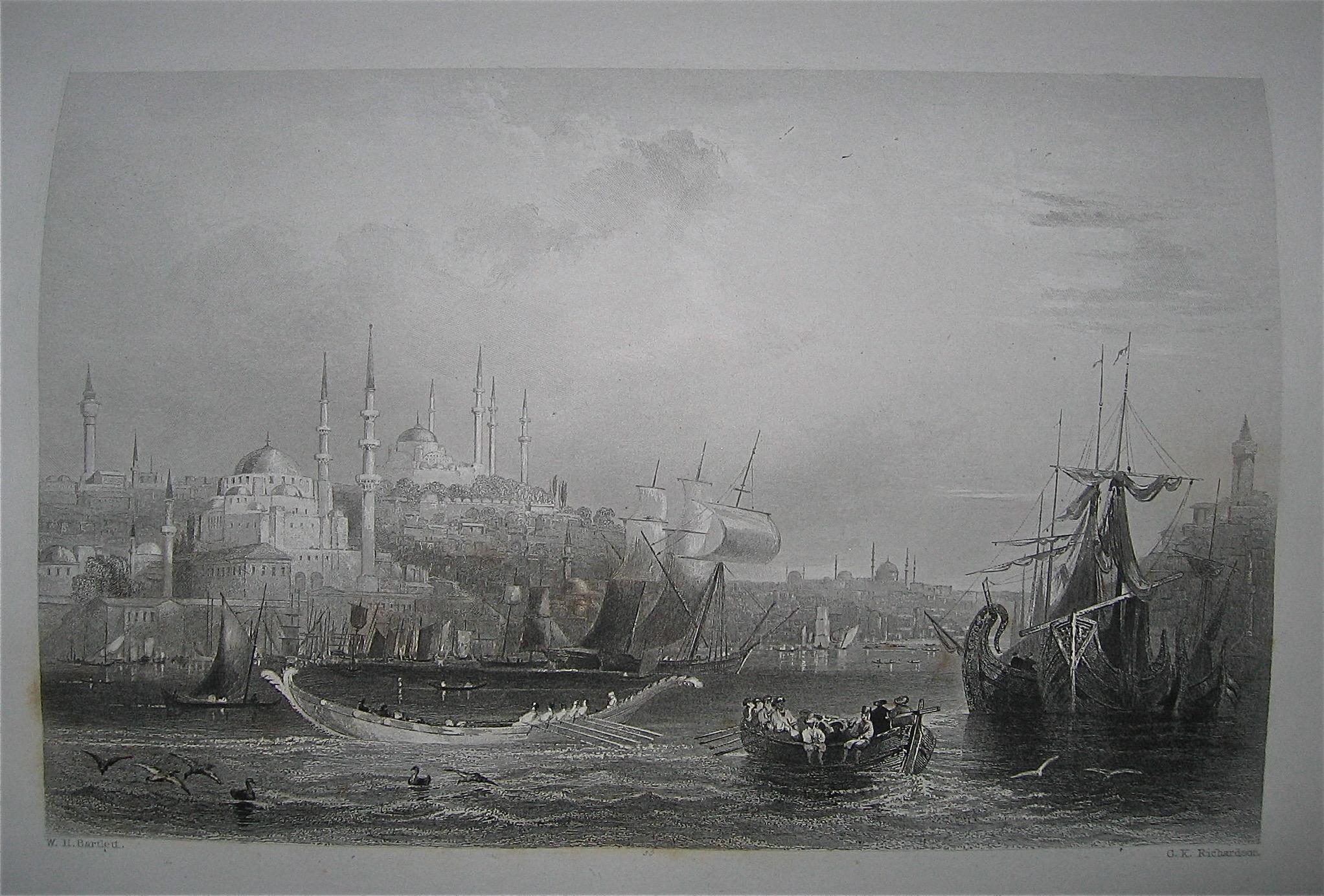
OTHER EVENTS
Society
Mrs Lynne Gibson
15 Apr 2026 - 14:00
Ludlow Assembly Rooms
Castle Street
Castle Street
Online Event
Death by Wallpaper: Colourful Stories of Chemical Pigments and Dyes
Speaker: Lynne Gibson

Society
Ms Jacky Klein
20 May 2026 - 14:00
Ludlow Assembly Rooms
Castle Street
Castle Street
Online Event
Trannies, Taste, and Teddy Bears: Uncovering the World of Grayson Perry
Speaker: Jacky Klein