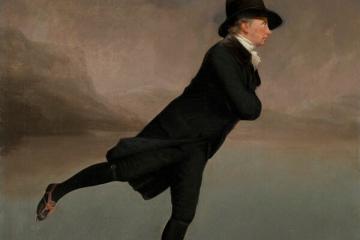


For many years, Scottish artists found it necessary to travel south to make their names and careers in art, but with the increasing importance of the cities of Edinburgh and Glasgow from the end of the 18th Century an independent Scottish art scene became possible. The development of the Scottish artists will be examined through the work of individuals such as Sir Henry Raeburn; Scottish architect, designer and artist, Charles Rennie Mackintosh, who produced an array of beautifully designed buildings, furniture, and interiors, as well as Sir David Wilkie, important as one of the first to truly export Scottish art. The lectures will also explore the work from the early 1880s of ‘The Glasgow Boys’, a group of radical young artists who challenged the art establishment and the dominance of classical subject matter in Scotland. The Scottish Colourists, who, in the early 1900s turned their attention to Paris, influenced by the French Fauves and Post Impressionists, who combined strong, vibrant colours with the painterly traditions of Scottish art, to produce innovative still life paintings, landscapes and portraits. Throughout the period covered, we will look at the parallels and divergence between Scottish and other European art.