
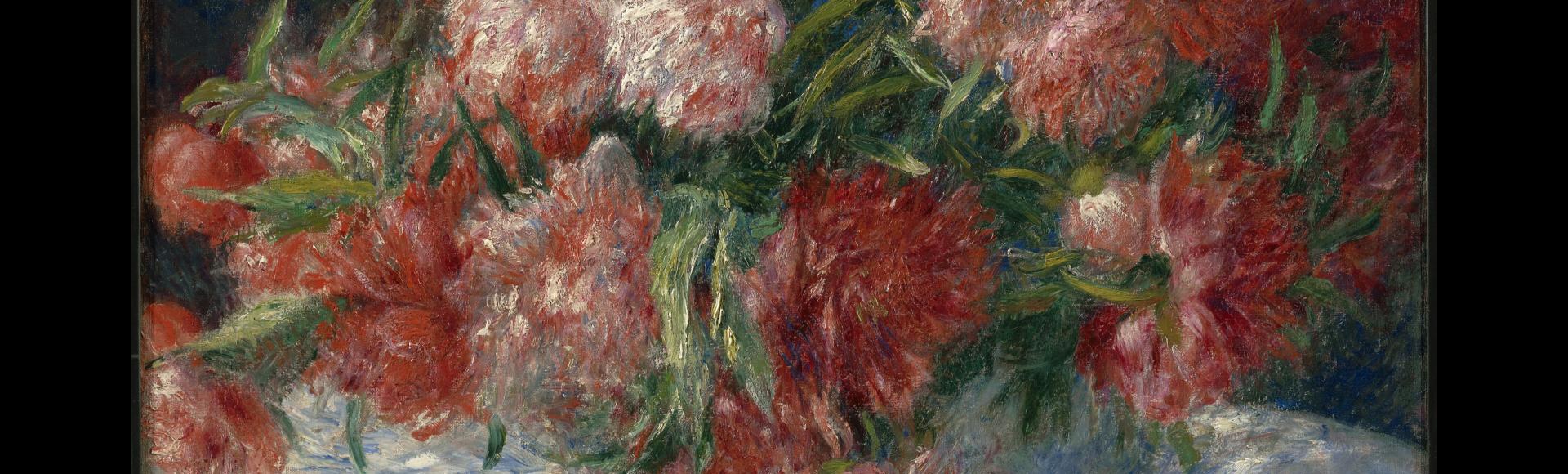

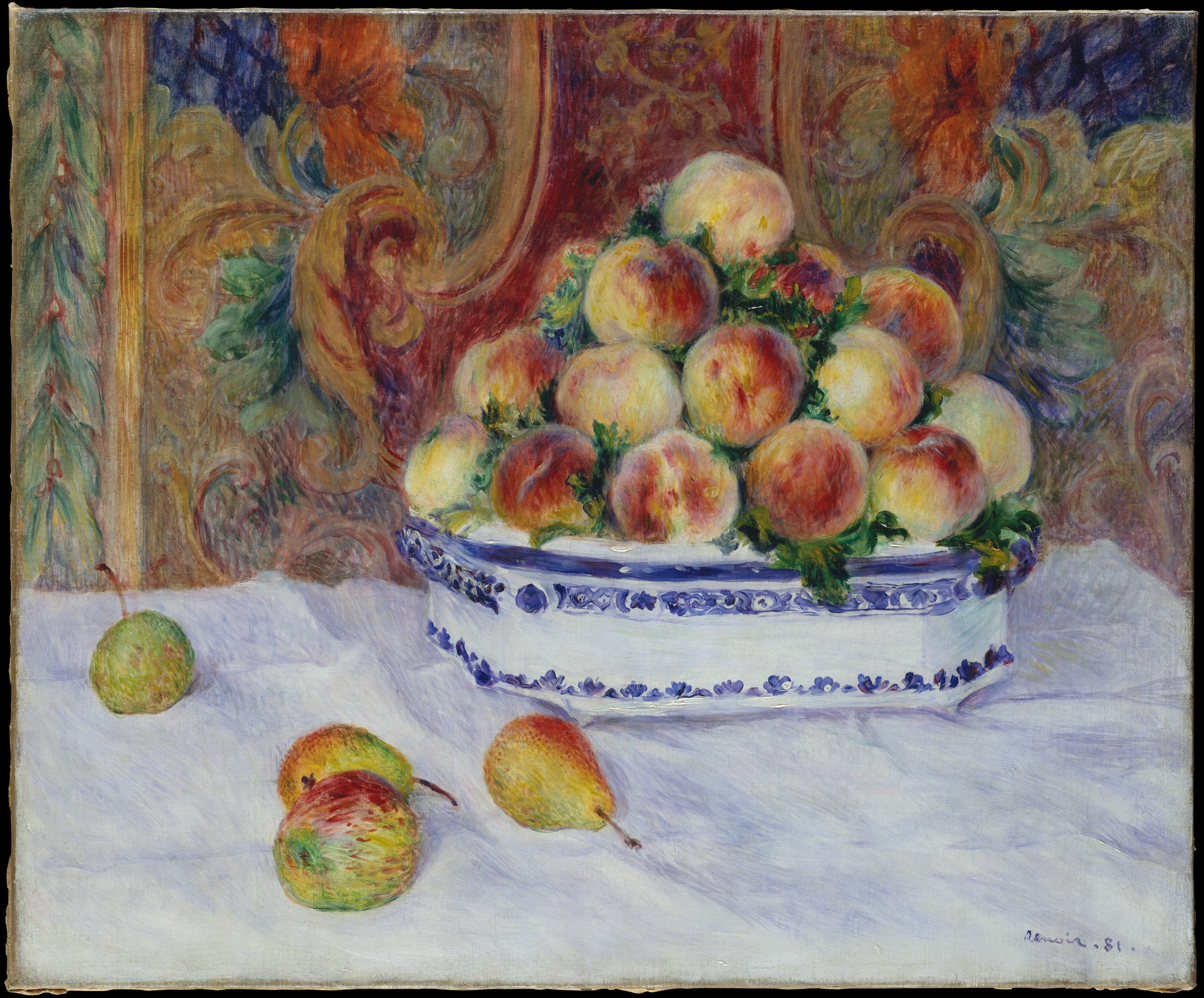
Renoir liked to describe himself as a ‘natural’ painter – an artist who painted life as he found it, without wasting time on reflection or doubt. His work was designed to appeal to the senses rather than the intellect, to show the world not as people construct it in their minds but as they see it with their eyes. But Renoir’s apparent simplicity belied the very real difficulties he encountered in deciding what truth in art meant. This talk concentrates on Renoir’s work during the 1890s, an important period of transition, when the artist sought to draw together all he had learned in previous decades. Above all, he wanted to integrate the vitality and spontaneity of his Impressionist period with the timeless classicism of his 1880s work – to create something that was at once eternal and true.
Kathy McLaughlan
A lecturer specialising in 19th-century art history, I am currently a course director at the Victoria & Albert Museum, organising courses and study days on the history of art and design. I teach at several institutions, including Art Pursuits. I am a graduate of Oxford University and the Courtauld Institute, with a PhD on French 19th-century painters in Rome.
GALLERY 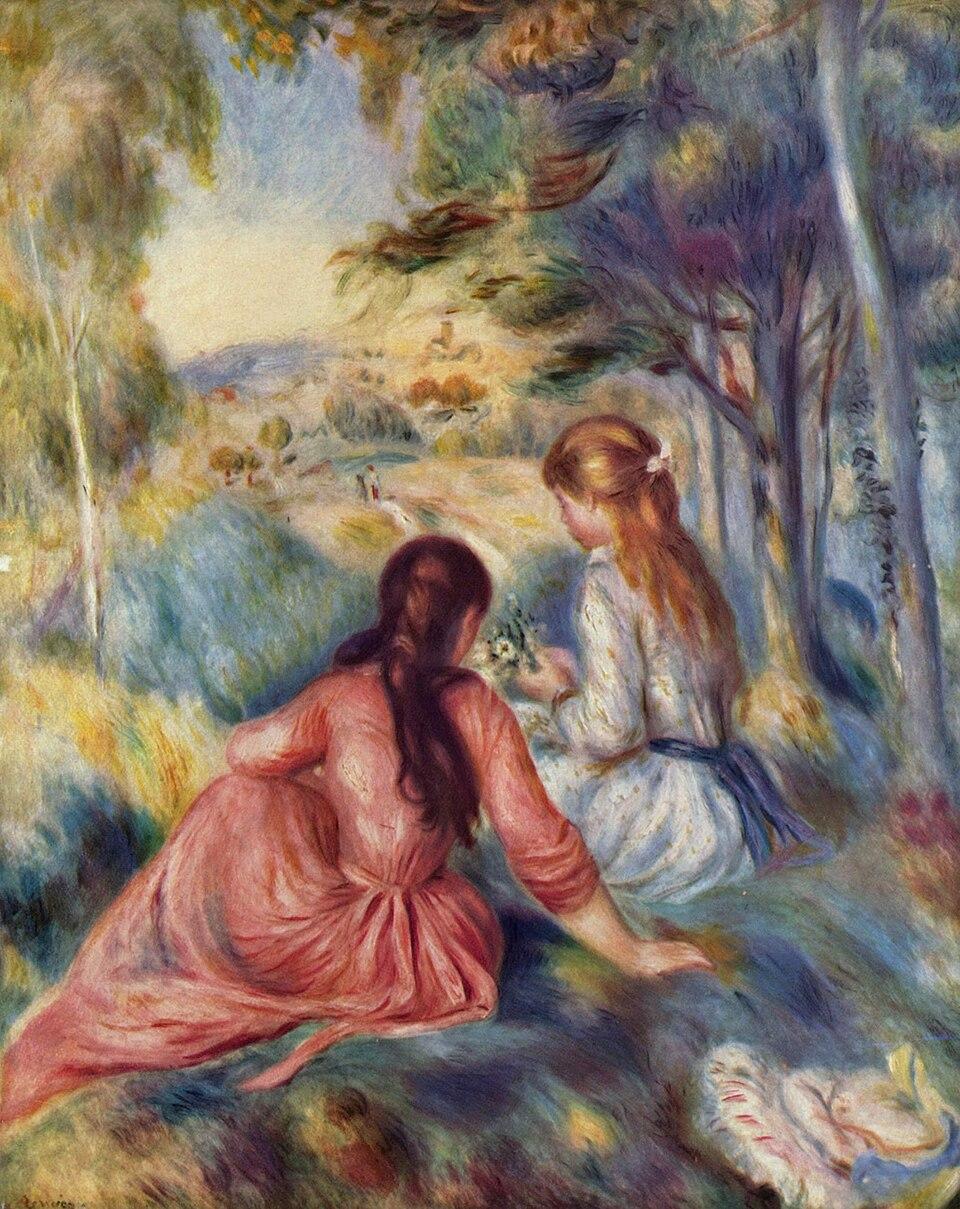
 ,
, 
OTHER EVENTS
Society
Professor Andrew Hopkins
11 May 2026 - 14:00
Blackwell Grange Hotel
Grange Road
Grange Road
Online Event
Society
Mr Leslie Primo
15 Jun 2026 - 14:00
Blackwell Grange Hotel
Grange Road
Grange Road
Online Event