
Lectures start promptly at 2.15PM
Visitors are always very welcome, paying £8 on the door.
Lectures start promptly at 2.15PM
Visitors are always very welcome, paying £8 on the door.
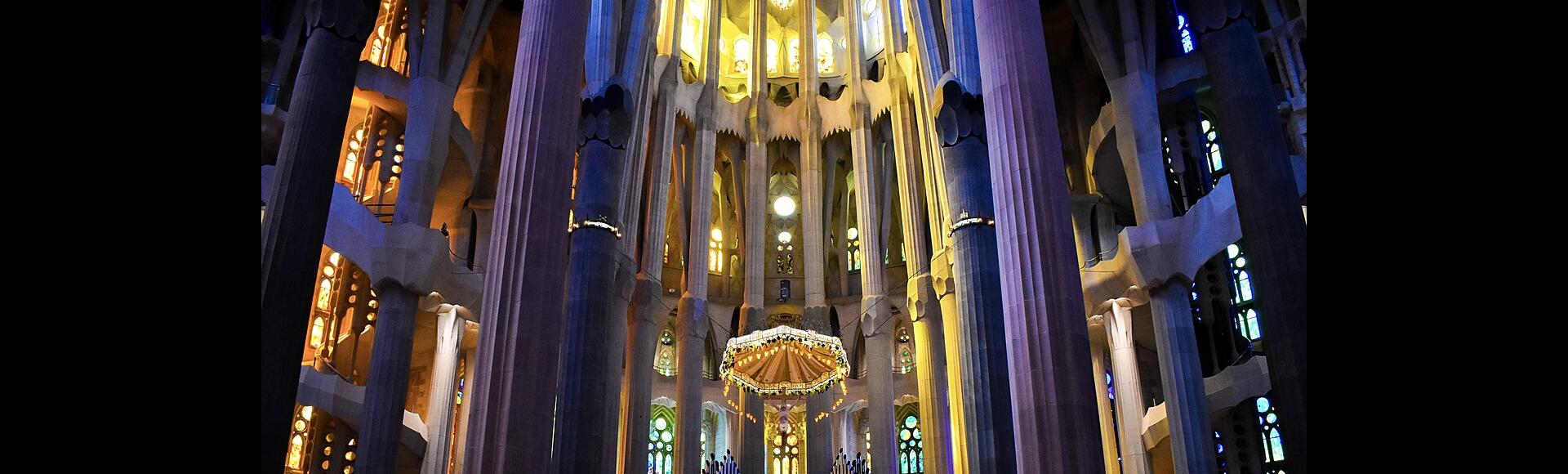
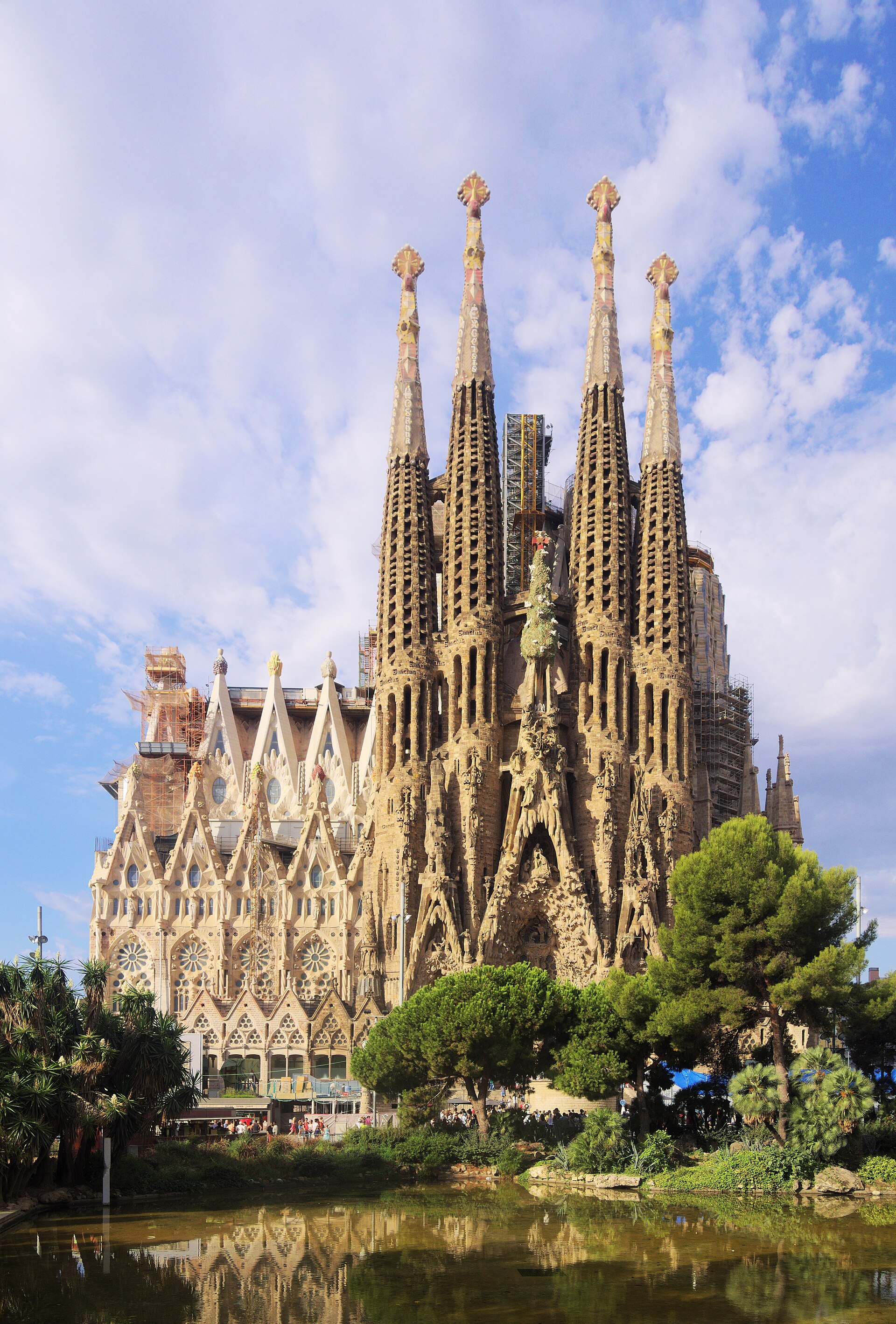
Antoní Gaudí i Cornet (1852 - 1926) was a Catalan architect and decorative designer, widely considered to be the greatest exponent of Catalan Modernisme. Gaudí's works, mostly located in Barcelona, include an icon of modern architecture, the Basilica of the Sagrada Família, and several private and public buildings and open spaces with an original, imaginative and provocative approach.
Gaudí's work was influenced by a passion for nature and a deep religious belief, and also a respect for the traditional culture of Catalunya. His buildings are highly decorated, detailed and colourful, employing local crafts such as ceramics, stained glass, wrought ironwork, and joinery. He introduced new ways of using ancient techniques in materials, such as trencadís in which waste ceramic pieces create abstract mosaics emulating patterns found in nature.
Gaudí’s designs transcended mainstream Modernism to present an apparently undisciplined world of fantasy and symbolism. His idiosyncratic methods, while producing outstanding structures, caused problems for his builders, notably at the Sagrada Família, the tallest church in the world, which is still not complete 144 years after the first stone was laid. Gaudí rarely drew detailed plans, preferring to create three-dimensional scale models, adding details as his imagination conceived them. He also invented solutions to architectural problems which are used by architects today.
In this talk Justin describes the cultural environment in which Gaudí lived and worked, and discusses his interior and exterior designs for some of the world’s most delightful and intriguing buildings and spaces.
You do not need to book in advance for our lectures.
Visitors are always very welcome, paying £8 on the door.
Lectures start promptly at 2.15PM
Visitors are always very welcome, paying £8 on the door.
Lectures start promptly at 2:15PM
Visitors are always very welcome, paying £8 on the door.